Activist Study: Araling Aktibista / 2020 / Mao and the Communist Party of the Philippines
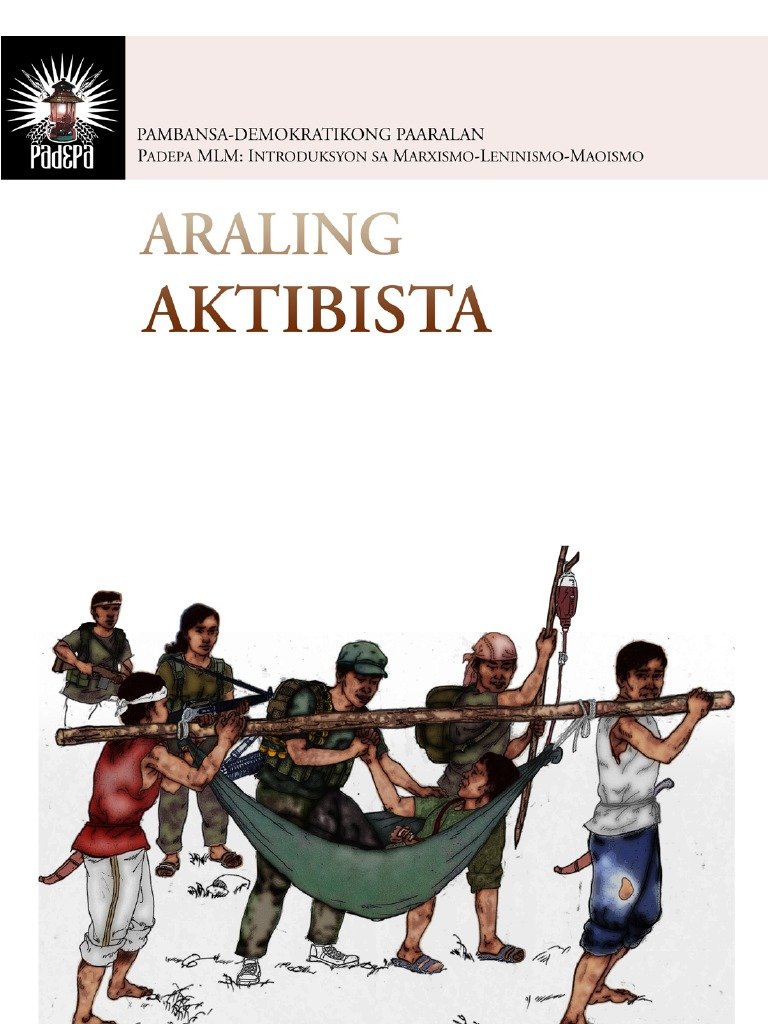
Araling Aktibista is a collection of writings by Mao and the Communist Party of the Philippines meant to educate incoming members of the communist party. This book was introduced to me by an organizing friend passionate about its principles. I found the essay “On Liberalism” to be most instructive, as it is largely about speaking up about differences in meetings, rather than gossiping and moving in the interests of the collective, rather than behaving selfishly. Other aspects of this book I found much less productive and even frightful. There’s a section that discusses ingraining a class hatred into comrades so it becomes easier for them to commit violence against the bourgeoisie. Even if revolutionary violence is necessary, this seems like a dangerous position to advocate. Other times they advocate for top-down leadership models that enforce obedience by the lower levels of the organization in the name of “collectivism” as opposed to “personal interests.” While I agree in general that at some point the collective needs to bow before a decision, I would much rather decisions be made in a model more reflective of the processes Friere describes in Pedagogy of the Oppressed than the rigid paternalistic way they appear in this book. I also want to acknowledge that the top-down leadership may very well be necessary for survival during wartime and that the Filipino communist party does have a guerrilla arm that has been struggling against the government there. The more militant organizing strategies, however, do not seem relevant to the work of most organizers in the US, at least the ones I work with, that really need to figure out how to do mass organizing in today’s media and class landscape. 3/5