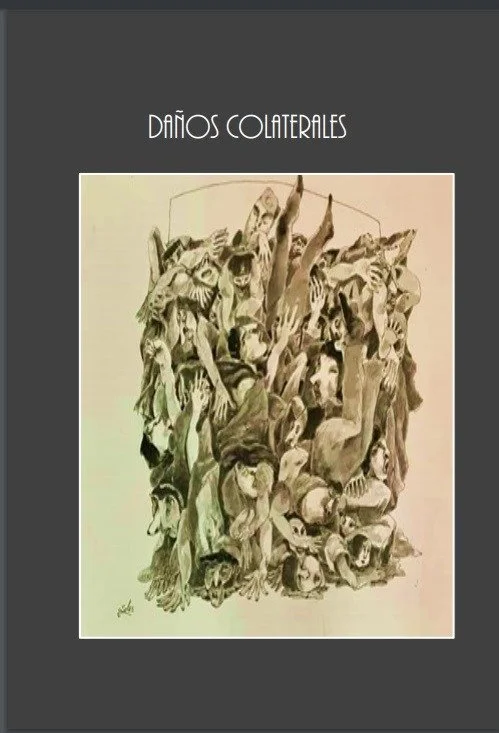
Daños Colaterales / 2025 / De León Granados, Derlin (Compilador) Hernández, Pereira, José Ricardo (Compilador) Rauda, Llich (Compilador) Gonzáles Márquez, Oscar (Compilador)

Daños Colaterales reads like holocaust fiction. The heavy handedness of some of its cruelty would be unimaginative if it wasn’t honest. Its inhumanity is made bearable by the genius and compassion of its writers. A rogue smile flashes on my face whenever I read the ending of “How To Play” by Antonio Cruz, wherein children negotiate a game of cops and robbers with the rules of the State of the Exception. It ends with children articulating an abolitionist vision: the game is only won when there are no more cops, no more presidents, no more robbers, and only civilians. The civilians tell the rest of the characters that they better start running. The authors in the anthology here don’t rely on strictly realist narratives. In “A Quick and Effective Solution,” David HP employs a slick parable. In “Flashback Arrests,” Walter Melendez takes us on a spin through the multiverse, tearing past the fabric of time to highlight the absurdity and the spiritual costs of the State of Exception, all rendered in exceptionally gorgeous prose. When the writers do explore realist depictions, many do it through captivating personas, such as that of an envious woman who sent in a false report on one of her competitors or that of a group of professional mourners who attend funerals on a daily. The writers in this collection are risking their freedom and safety in speaking out. I was consistently impressed by both their craft and bravery in this necessary collection.

La Onda de Los Torogoces de Morazán / Sebastian Torogoz / 2024

La Onda de Los Torogoces de Morazán / Sebastian Torogoz / 2024

For those unfamiliar with the history, Los Torogoces de Morazán blossomed alongside Radio Venceremos during the Salvadoran Civil War. One could call it the musical arm of the FMLN, the leftist guerrilla group vying to overthrow the US-and-Israeli-backed capitalist dictatorship in El Salvador. During the war, they not only uplifted the people’s spirits with cathartic and edifying mariachi music. They also used their songs to report from the front lines the outcomes of battles, atrocities committed by the capitalist forces, and so forth. This book provides an intimate portrait of how the group came to be and the inspirations for some of their most popular songs. All of it is written in Sebastian Torogoz’s gorgeously folk and studied tongue. It’s truly magical to read masterfully crafted Spanish sentences, famous for its run-on clauses, all in Torogoz’s campesino dialect. The musicality is embedded into the language. The book is a harrowing testiminio and an inspiring perspective on campesino organizing during the war.

My only criticism of the book is that Torogoz distances himself and the movement from communism, claiming that he and his campesino peers were never very versed in Marxism and were fighting for justice, equality, liberation, etc. In the same book and elsewhere in their catalog, however, they have odes and elegies to great Marxist commanders and theoreticians during the war. Even if this unfamiliarity with Marxist ideas was true during the war, at thirty-plus years of distance one would have expected Torogoz to do more research into who his bedfellows were. In recent events held in Chicago, Torogoz also claimed we should move beyond the dichotomies of left and right to something that delivers true change for the people. While I understand his likely disillusionment with the FMLN and the left at large—it has alternatively been crushed or sold out in most of Latin America—I think this muddies things rather than clarifies them for people both trying to enact change and understand history. I give it a 4.5 out of 5.

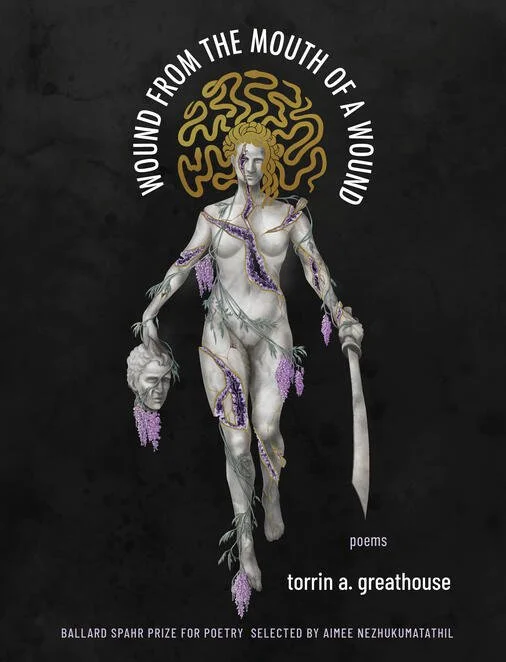
Wound From the Mouth of a Wound (2020) and Deed (2024) / torrin a greathouse

Wound From the Mouth of a Wound (2020) and Deed (2024 / torrin a greathouse

I’ve been a longtime fan of torrin a greathouse’s work from afar and this year I finally buckled and bought both her books. Both are great. Wound from the Mouth of a Wound has a fiery, hurt first book energy, complete with a coming-of-age arc. Deed explores the erotic and the sexual, the places where they overlap and do not. I preferred WFTMOAW a little more to Deed as there seemed to be a bit more at stake in the writing. Through Deed, I discovered the Dog Park Dissidents, a queer punk group that narrowly didn’t make the cut for my top ten albums of 2025. Deed also had great response poems to transphobic works by Sharon Olds and Adrienne Riche. I give WFTMOAW 4.5/5 and Deed 4 out of 5. 

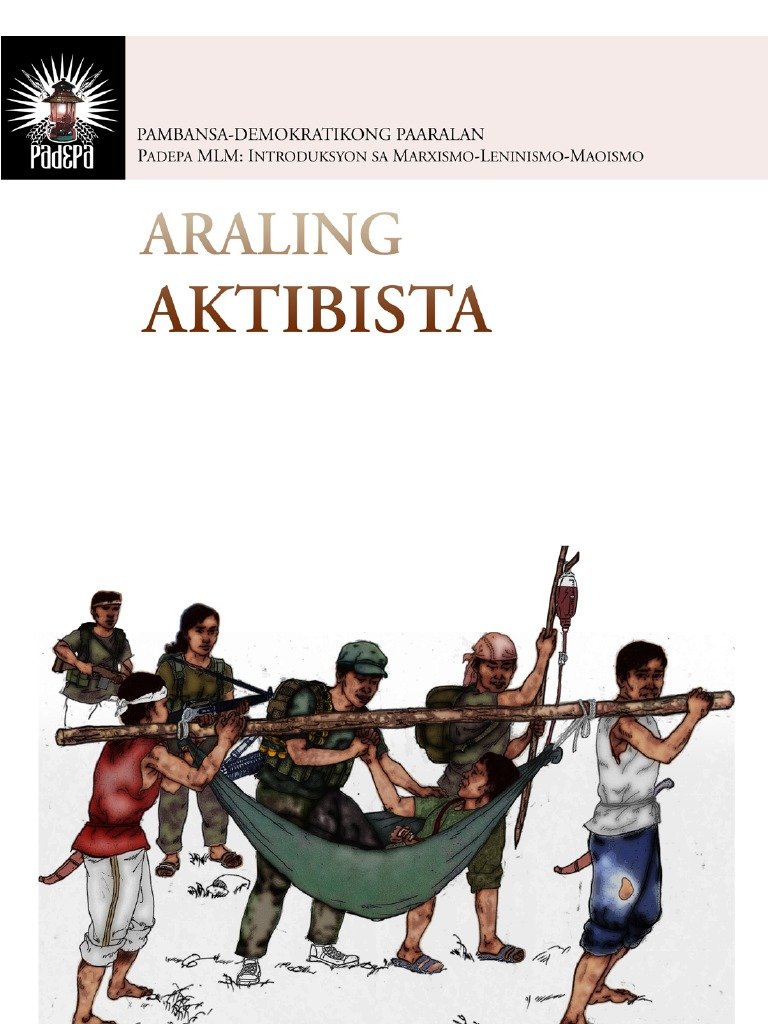
Activist Study: Araling Aktibista / 2020 / Mao and the Communist Party of the Philippines

Activist Study: Araling Aktibista / 2020 / Mao and the Communist Party of the Philippines

Araling Aktibista is a collection of writings by Mao and  the Communist Party of the Philippines meant to educate incoming members of the communist party. This book was introduced to me by an organizing friend passionate about its principles. I found the essay “On Liberalism” to be most instructive, as it is largely about speaking up about differences in meetings, rather than gossiping and moving in the interests of the collective, rather than behaving selfishly. Other aspects of this book I found much less productive and even frightful. There’s a section that discusses ingraining a class hatred into comrades so it becomes easier for them to commit violence against the bourgeoisie. Even if revolutionary violence is necessary, this seems like a dangerous position to advocate. Other times they advocate for top-down leadership models that enforce obedience by the lower levels of the organization in the name of “collectivism” as opposed to “personal interests.” While I agree in general that at some point the collective needs to bow before a decision, I would much rather decisions be made in a model more reflective of the processes Friere describes in Pedagogy of the Oppressed than the rigid paternalistic way they appear in this book. I also want to acknowledge that the top-down leadership may very well be necessary for survival during wartime and that the Filipino communist party does have a guerrilla arm that has been struggling against the government there. The more militant organizing strategies, however, do not seem relevant to the work of most organizers in the US, at least the ones I work with, that really need to figure out how to do mass organizing in today’s media and class landscape. 3/5

Top Albums of 2025

2025 was an insane year in album releases. I was obsessed with albums by Mac Miller, Lil Simz, the Dog Park Dissidents, the Clipse, the Mexican Institute of Sound, Bad Bunny, Karol G, Esther Rose, and more, but alas, there’s only 10 spots on this end-of-year list. Late contenders like Rosalia and Snow Tha Product didn’t make the cut for my list this year, but I’ll see how they play out in 2026. Here are my top 10 albums of year. 

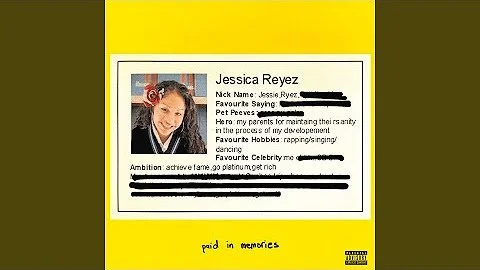
Jessie Reyez - Paid in Memories

Favorite Lyric: “Got holy books on my wall / The Quran says I'm Haram / And swears that there’ll be a trial to see / if my soul’s worth shit” 

No album rejuvenates my sense of youth, fun, and love like Paid in Memories. At 33, the feelings in the album can feel forever away as we respond to crises and care for children, but with a kiss and a barb, Reyez gives me butterflies again. This album makes me feel like I’m high on the beach when I’m running in Chicago winter slush with my dog.   

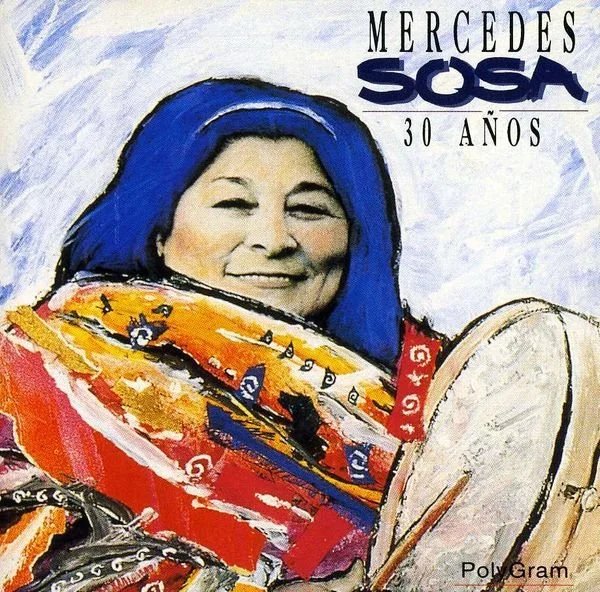
Mercedes Sosa - 30 Años

Favorite Lyric: “Gracias a la vida que me ha dado tanto / Me ha dado el sonido y el abecedario / Con él, las palabras que pienso y declaro” 

Mercedes Sosa is a must-listen to anyone in solidarity with the Latin American left. I’m embarrassed I didn’t discover her in my twenties. 30 Años is a greatest hits album, but having dug through more of her discography, I can guarantee Mercedes doesn’t miss. Songs like “Gracias a la vida” is a rare sad song about gratitude that doesn’t stick its head in the sand, a song that grows more important as we fight to weave a semblance of wellness amid so much grief. Songs like La Maza could only be performed by a singer with the ethos and gravitas to lead the people along their difficult work and makes me long for another artist that can enrapture the masses like Sosa.  Songs like “Maria, Maria” and “Solo le pido a dios” make the struggles etched in the bones of my people feel seen in ways I’ve never experienced before. 

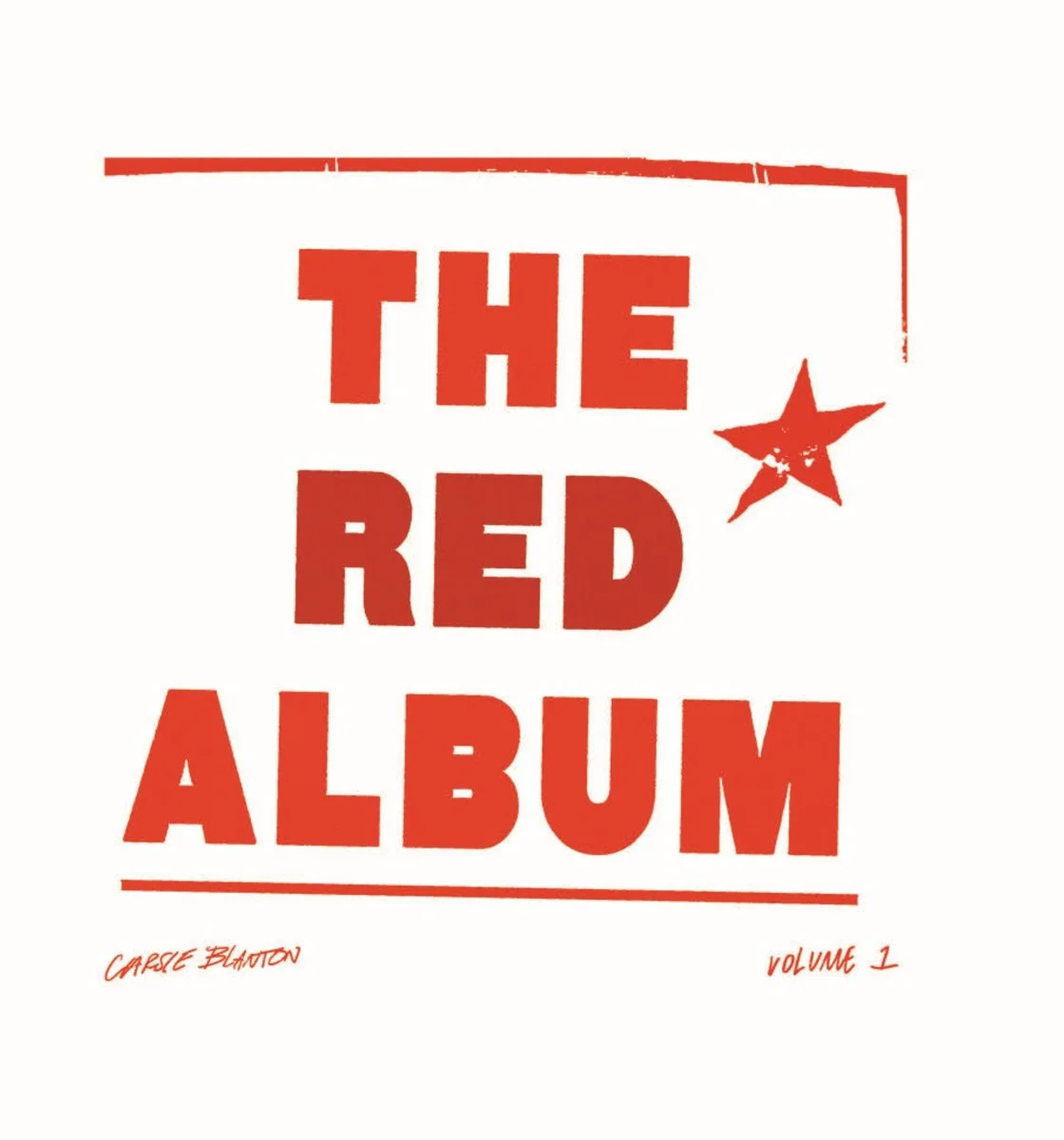
Carsie Blanton - The Red Album + Entire Discography

Favorite Lyric: “Ford the river, cross the sea / a slave, a rat, a refugee / strap the child to your side / keep the little flame alive.” 

Blanton is the commie folk singer I’ve always dreamed of. She has sexy, swoony songs like “Swimming in the Pool,” hot, bold songs like “Vim and Vigor,” sentimental love songs like “Two Sleepy People,” sharp wry political songs like “The Democrats” and sentimental, comforting songs like “Little Flame” and “Fishing with You.” Blanton took the charge to make the revolution sexy dead seriously and I hold her as high up as Mercedes Sosa above in my greatest finds this year. 

Jessie Welles - Patchwork 

Favorite Lyric: “Some folks go to school / Others have to learn that most of life is wishing / Tryin' to get back to a memory of a memory / You never might've had”

Jessie Welles was my gateway drug into a broad range of protest folk. Songs like “Fear is a Mind Killer” helped me breathe through the opening salvos of the Trump administration. “That can’t be right” and others helped me hold onto a flame of nostalgia and love long enough to make it through tough days. While I don't love all his songs, the ones that hit fucking hit. 

Lella Fadda - MAGNÜN

Favorite Song: Tarat Tarat Tat

Delivered with an incredibly seductive and fierce swagger over electronic hiphop with slick bass, Lella Fadda is my favorite rapper of the year. Hailing from Italy and Egypt, all her bars are in Arabic, which has a special kind of river and curve you can't get anywhere else. Turns out the lyrics are pretty feminist and snappy, and her music videos reflect this humor and tenacity. 

Kali Uchis - Sincerely 

Favorite Lyric: “Stay away from my baby, / stay away from my home. / That’s all I ask of the world.” 

These songs made me feel like I was floating in a cloud on the beach eating strawberries. Mostly, I would let this album wash over me like a warm wave.

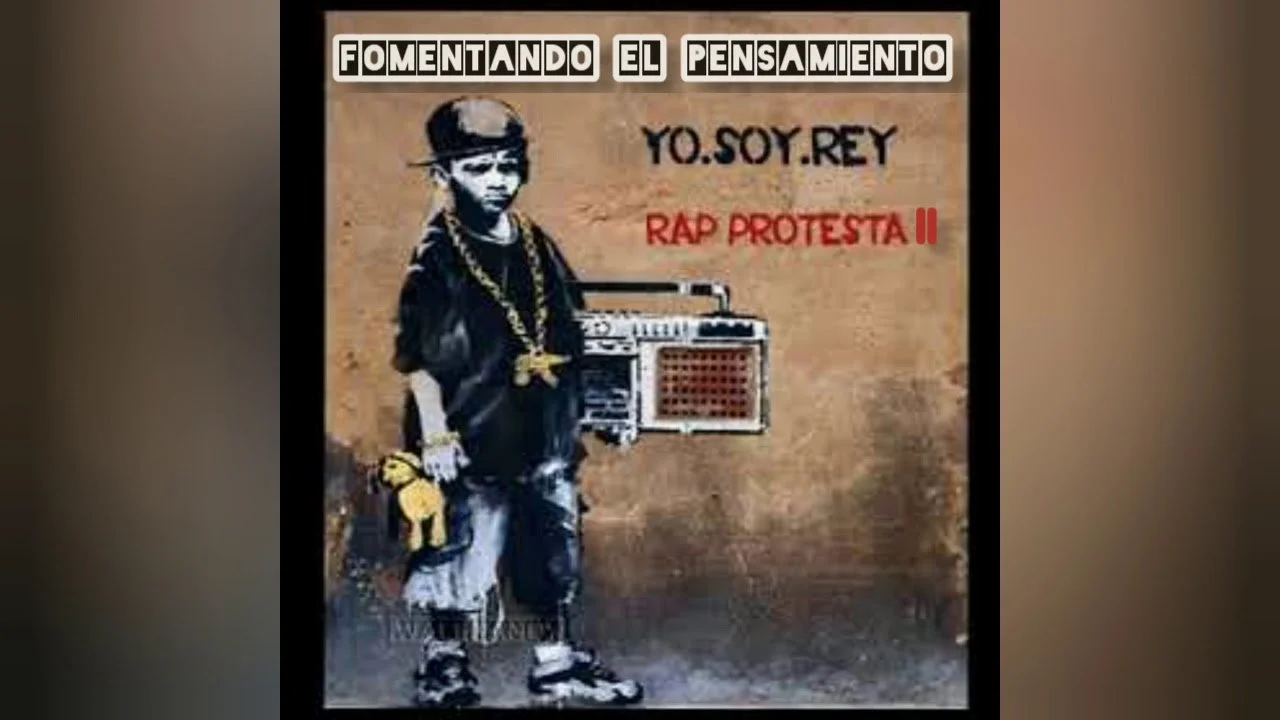
Yo.Soy.Rey - Rap Protesta, Vol II + Discography 

Favorite Lyric: “Lo que hay sobre la tierra algun dia fue de todos.” 

The opening track marks Venezuelan rapper Yo.Soy.Rey off as a reformed murderer and conscientious rapper, who believes in the hard work of building a better world. He raps like a mix of Immortal Technique and J. Cole with tracks about getting high with Martians, disses to Maduro, and more. Despite occasional homophobia, this was a gem of a find this year. 

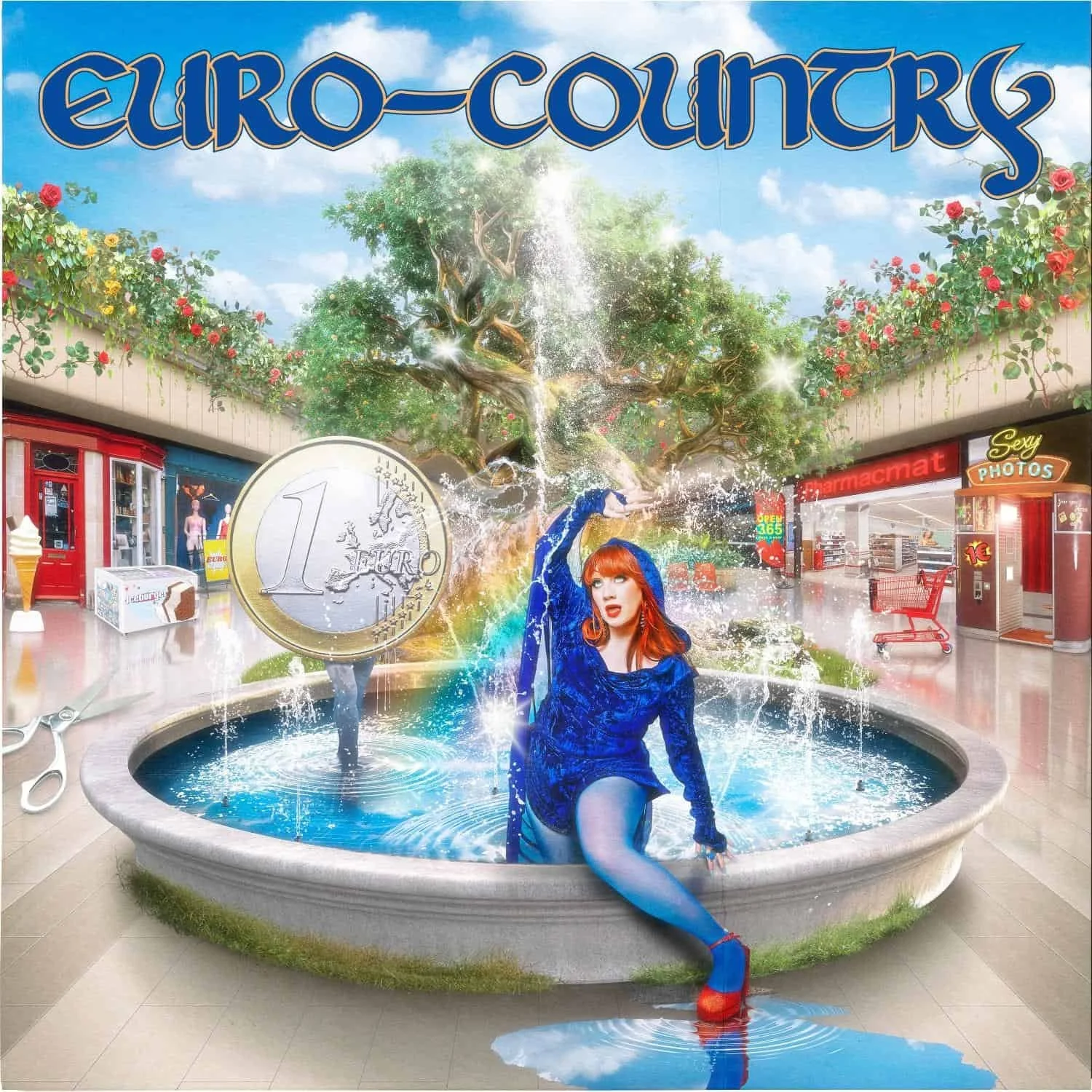
CMAT - Eurocountry 

Favorite Lyric: “I don't miss you because I can't / If I think too much about you, I’d go mad.”

I imagine Lucy Dacus listens to CMAT with a knife in her hand. Her lyricism just hits when you least expect. The first time Let That Tesla Crash hits you'll be on the floor thinking about your dead friends. It's crazy. It’s hard being that hot, queer, smart, and bothered. 

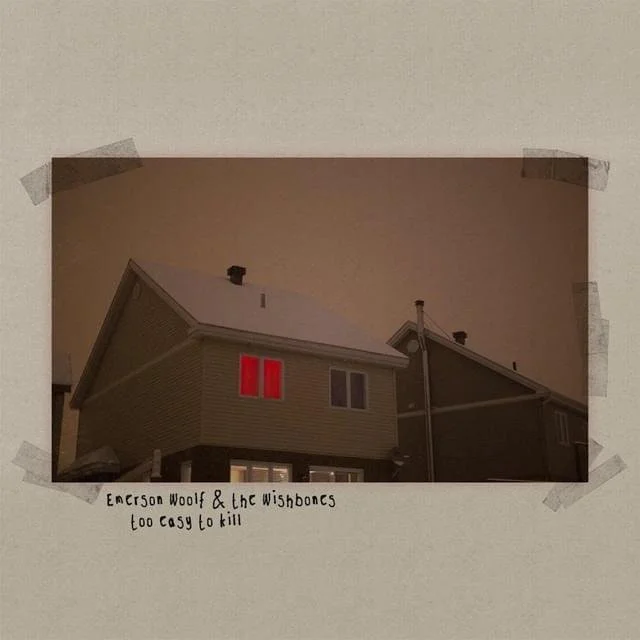
Emerson Woolf and the Wishbones - Too Easy to Kill + discography

Favorite Lyric: “My pussy is a gun / and it’s pointed at your head. / And I can kiss you so good / you’ll wish that you were dead.” 

I feel like I grew up with white girls like Emerson in Utah. A hook like “Jesus doesn’t love me” made me laugh, then weep with young grief. Songs like “Not a Good Woman” and “Wouldn't it be funny?” hooked me, because goddam Emerson isn't afraid to go rabid raccoon lyrically. I’m grateful for songs like Sixth Sense that process death in such mundane ways. I go to her when I need to sink into my sad little corner with my bag of Skittles and just try to get through the day. 

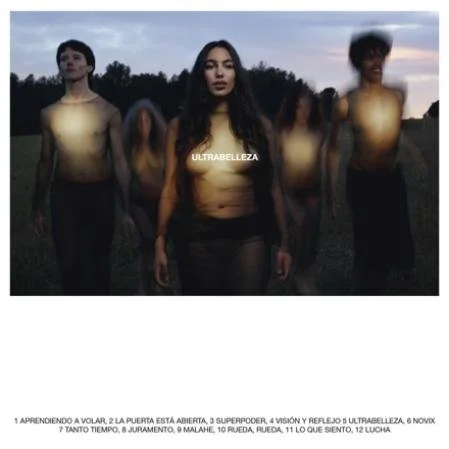
María José Llergo - Ultra Belleza

Favorite Lyric: “Aprendí a llorar cantando / Aprendí a cantar llorando” 

If you love Rosalia’s album, you will love this one as well, especially the Tiny Desk concert. Hailing from Spain, Llergo has a voice that can make angels weep. These sentimental songs are young in their vibrancy and hope. “Superpoder” is the song I kept returning to over and over. This album is kindling to keep your fire going. 

Double Book Review: What went wrong? The Nicaraguan Revolution: A Marxist Analysis / Dan La Botz / 2018 and The Sandinista Revolution: A Global Latin American History / Mateo Jarquin / 2024 

What went wrong? The Nicaraguan Revolution: A Marxist Analysis / Dan La Botz / 2018 and The Sandinista Revolution: A Global Latin American History / Mateo Jarquin / 2024 

Reading both of these histories side by side was incredibly illuminating. 

La Botz provided a wide-ranging overview, all the way from the independence movement forward. Readers get to read about filibuster William Walker, Sandino’s resistance, the Somoza regime, the original Sandinista regime, the neoliberal period led by Chamorro, then finally the Ortega regime. Although he’s occasionally old-timey in a weird white way, such as referring to indigenous people as “Indians,” he’s otherwise extremely astute on the hard facts and social dynamics. He diagnoses weaknesses and strengths in the organization structure of the top-down Marxist Leninist leadership, which failed to account for democratic processes. He then notes how this weakness led the state to exacerbate the conditions of a civil war, when it disappointed indigenous and peasant communities it claimed to represent, people who literally fought alongside the Sandinistas during the revolution. It had a great breakdown on the successes and failures of the literacy campaign, for example, that both lifted the country out of illiteracy and felt like a colonizing campaign for many indigenous communities. The last two sections of the book, both Chamarro’s victory (partially through US intervention) and Ortega’s rise. Chamarro’s and Ortega’s betrayal of the revolution are staggering to read, especially Ortega’s. This book definitely clarified the terrain for me, especially because there are Ortega apologists and tankies on the left who still celebrate Ortega’s dictatorship, despite its deep compromises with capitalists and its betrayal of basic human rights and progressive values. 

Jarquin’s book, on the other hand, is written with more fire and focus, narrowing its attention to the Sandinista revolution itself, capturing the zeitgeist and delineating the diplomatic efforts that enabled and ended the revolution. Jarquin’s great argument is that reductionist Cold War analyses of the Sandinistas fail to account for the bold statesmanship of several Latin American countries to defy the US’s will to take down Somoza and later end the war without totally annihilating the Sandinistas. In Jarquin’s book, you’ll get the excerpts from Gabriel Garcia Marquez’s Nobel Laureate speech and other cultural contexts that will make you feel the heat of the situation. 

I give both books 5/5 and consider them some of my most important reads in 2025. My degree in Latin American studies really should’ve made me learn more about the Sandinistas. Up until recently, I didn’t realize how pivotal it was to understand Central America as a region in order to understand the countries individually. You cannot understand the political conditions of the Salvadoran Civil War without understanding the Sandinistas. 

More Everything Forever: AI Overlords, Space, Empires, and Silicon Valley’s Crusade to Control the Fate of Humanity / Adam Becker / 2025 

More Everything Forever: AI Overlords, Space, Empires, and Silicon Valley’s Crusade to Control the Fate of Humanity / Adam Becker / 2025 

As someone who is not in the sciences, I am grateful for Adam Becker’s at times painstaking breakdown of Silicon Valley's wildest claims about the future of Tech. Anyone who has spent time in this realm knows that there is a huge array of weirdos and weirder ideas, from the Zizians and their absurdly reductionist radical utilitarian ethics to Elon Musk and his foolish ambitions to go to space. Becker takes the time to point out the flawed science and contorted logic of tech elites, heralding the coming of the singularity, attempting to conquer mortality, as well as colonize Mars. Tech elites present these pitches to politicians, business elites, and the public as arms races necessary to solve the world’s greatest struggles, from climate change to pestilence. More Everything Forever sometimes suffers from taking the ideas too seriously and being so totalizing in its criticism of these tech elites. Many are simple charlatans, and there’s something particularly grating about dealing with an effective altruist’s particular brand of bizarre thought experiments. Becker focuses too much of his attention taking their arguments in good faith, in my opinion, and fails to account for their political craft, that is, how they are accumulating power and manufacturing consent for projects that will build the surveillance state, enrich their coffers, and impose their will on humanity. Instead, Becker  ends with a very weak romantic nod to leverage our resources to implement progressive socialist policies. What an excellent desire and what a feeble follow-through in terms of a plan. In doing so, Becker falls into a classic liberal trap: assuming the worst of the capitalist class can be reasoned with and not making adequate plans to take power away from these men hellbent on destroying the planet in the name of their own egos. 3.5/5  

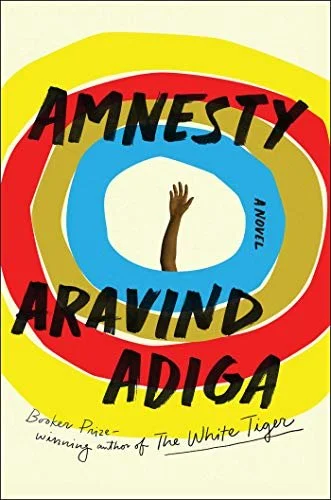
Amnesty / Aravind Adiga / 2020

Amnesty / Aravind Adiga / 2020

Amnesty tells the story of an undocumented Sri Lankan housecleaner in Australia who becomes privy to compromising details about a local murder. I picked up the book not just for its juicy premise, but curious as to its potential as a piece of global undocumented literature. Most of the literature about undocumented people or by undocumented writers I am aware of is written from within the United States, shaped by that country’s politics and discourse. I was curious in what the conversation was shaped like elsewhere and, as I still haven’t given up my dream of eventually teaching an undocumented lit course, I wanted to see if it would be a good fit for that course. 

Despite its juicy premise, Amnesty struggles to tell its story in a way that feels urgent or gripping. Its narrative detail and characterization are generally fine, but for a book putting itself in the middle of a fraught sociopolitical issue, it narrates the rhetoric around immigration clumsily. Undocumented folks are referred to as “illegal,” some aspects of the text seem to attempt to strike neutrality, while others display the racism of the system and culture bluntly. It was hard to tell what was at stake for the narrator, besides a quaint, philosophical challenge about a hot topic.Throughout, Danny’s condition is treated like his primary conflict, and where the text could have chosen to focus more on his interior longings, we instead get a very lopsided story arc. The lopsided-ness is crucial to creating a sense of suspense in the narrative, because otherwise, there would be no mystery in the murder. Adiga seems to think hiding details and sharing them later would build a sense of urgency or mystery, but it does not. It just gave this reader a sense of confusion and at times boredom. 

That said, the writer is clean enough that this book might be worth including in a course, specifically to talk about the way writing by undocumented and documented writers about migration differs and introduce students to an undocumented condition in a different context. I would hardly recommend the book to anyone though. 2.5/5.

My Perfect Cognate / Natalie Scenters-Zapico / 2025

My Perfect Cognate / Natalie Scenters-Zapico / 2025

Natalie remains one of my favorite poets for the way she spits her grief with grit. Here, we get a slough of poems processing post-partem depression and the pain of a miscarriage braided into the language by exploring the intimacy and distance between false and true cognates in Spanish and English. Each poem gets mirrored, however, slanted in its translation. It makes for intellectually stimulating poems in English and Spanish where the subtleties of meanings get spun through cognates. This is an innovative form I’ve seen nowhere before, and I tip my hat to Natalie for once again finding new formal ground and most of all for having the nerve to GO THERE in terms of content. 4.5/5 

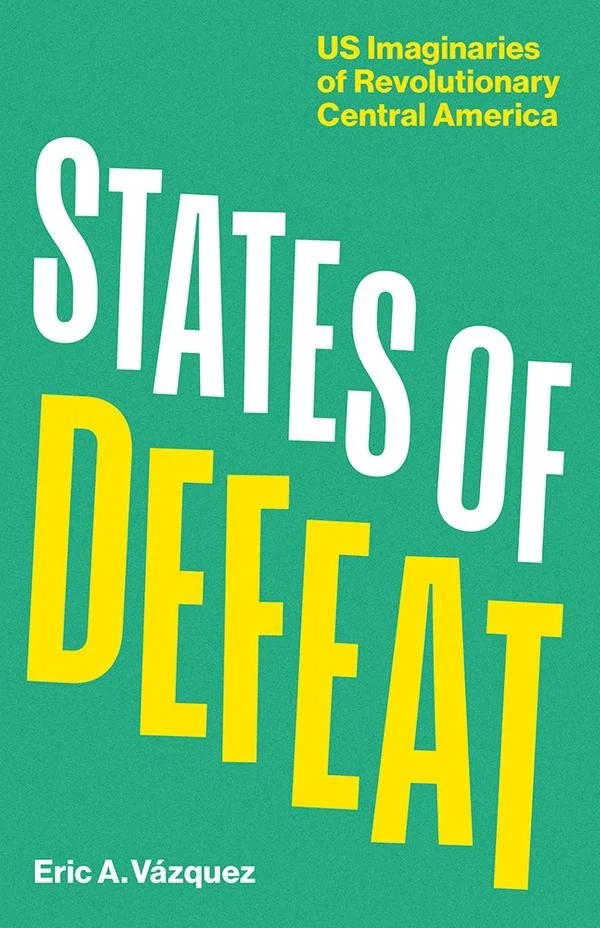
States of Defeat / Eric Vázquez / 2025

States of Defeat / Eric Vázquez / 2025

In States of Defeat, Vázquez skillfully tours the reader through post-war Central American literature, all of which imagined themselves in solidarity with its leftist struggles, and discusses how different authors and actors dealt with the difficult questions of solidarity. The selection of materials is astute, capturing a range of authors who really did a shit job, such as David Stoll and his destructive critique of Rigoberta Menchu, and those who wrestled with the legacy of the revolutionary movements with nuance, like Roxanne Dunbar-Ortiz. Vázquez’s takes are spot on and insightful. States of Defeat is extremely readable as an academic book. Vázquez writes with incredible verve. Taken as a whole, the chapters provide a great breadth of ground for people looking to explore how others have handled the challenge of leading solidarity movements. 5/5 


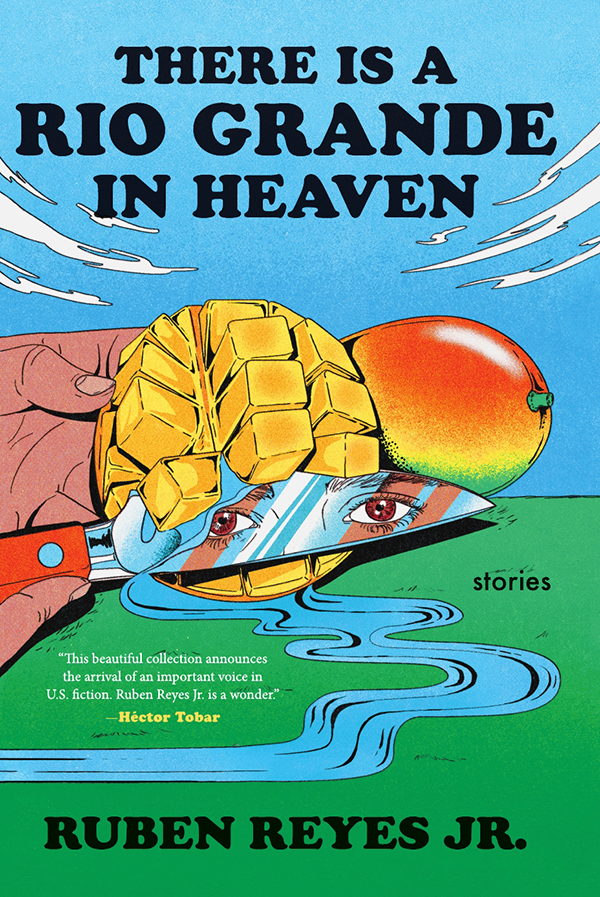
There is a Rio Grande in Heaven / Ruben Reyes, Jr. / 2024

There is a Rio Grande in Heaven / Ruben Reyes, Jr. / 2024

Much lauded by critics (Kirkus Reviews, Back Shelf Books, Book Browse) and Central American diaspora organizers in multiple cities and the like, There is a Rio Grande in Heaven won Reyes, Jr. a lot of success and adoration in a small corner of Latino lit. I struggled to see what the fanfare was about. Here is my take by take: 

Alternate History of El Salvador or Perhaps the World - I was unimpressed with this story as it plays out a romantic fantasy of indigenous resistance in a really fanciful way. It doesn’t actually consider the material historical circumstances and what it would have taken for the Pipiles to fight off Pedro Alvarado. Instead, it imagines Alvarado as a stand-in for what was an entire imperial enterprise that could not be ended by simply killing off one man. In this sense, it gives Alvarado FAR too much credit. This story also didn’t acknowledge the indigenous collaboration with the conquest of El Salvador by Tlaxcaltecans, Zapotecs, and the like. To me, it reads like the decolonial fantasy of someone who has barely read history, who has yet to truly grapple with the rich material at hand. 

He Eats His Own - This story seems successful in that it would be a great conversation piece to talk about privilege of the diaspora versus those in the homeland. In this story, a rich gay diasporic Salvi named Neto pays his loved ones in the homeland to send fresh mangos from a specific tree to him regularly. The fixation is pathological in its intensity. As far as a premise goes, the symbolic choice of the mango is apt and the scene is set for some interesting tension.

The weirdest parts of this story to me, however, are its seemingly unintentional absurdities. The one that frustrates me the most is the description of the main character cutting the mangos in six perfect pieces. This is dramatically absurd. No one who cuts mangos regularly could write this. Anyone who cuts mangos knows that they are cut in 5 pieces: two short, two wide, and the seed. As an oblong fruit, there is no geometrically possible way to cut it in six pieces that could be described as “perfect”, especially considering that fruit is natural and therefore comes in imperfect shapes. This bore greater explanation. 

Absurdities like these riddle the relationships in this story. For example, the family dynamics don’t make any sense. How does Neto maintain such close ties with his homeland family exclusive of the rest of his family? How would he be able to hide Tomas being in the States without the rest of his family knowing? How would he be able to hide the death of the mami from them? Why would they be afraid of leaving Tomas alone? Yes, he’s a child but he made it across the desert with the coyote. The suggestion that a starving child would have made it across the desert without eating the mango was really bizarre and required the suspension of critical thinking in a way that troubled me. There’s many moments where it’s just like, this isn’t how rational people would behave. 

That said, it’s interesting. Not moving by any means, but interesting in the conversations it seeks to spark about tensions between diaspora and homeland relations. 

Try Again - In this story, a gay man chooses to resurrect his father through an AI bot. His father was a homophobic poet who survived the civil war. It was a sad, probing story, and one of the better stories in the collection. 

An Alternate History of El Salvador or Perhaps the World II - Clean, slick story about General Martinez rearranging peasant bones from mass graves into a dinosaur. This is one of the stronger stories in the collection.

The Myth of the Self-Made Man - This is perhaps the best story. In this story, companies invent cyborg nannies/slaves by mining migrants’ bodies and erasing their memories. While the setup was appropriately gross and kinda hard to get into, by the time it gets to the migrant’s stories, the story gets really compelling. This story probably would’ve been better as a novel, as it doesn’t feel developed all the way. The main character doesn’t seem to go through a transformation of any sort, which is pretty standard narrative craft. While there’s an interesting critique of academic scholarship’s failure to do more than document sometimes, I was ultimately left feeling like very little was done with such a juicy concept. 

Quiero Perrear! and other Catastrophes - This story is insultingly bad. A dude wakes up as a reggaeton star with a dark gay secret in a story that asks for the reader to repeatedly suspend their critical thinking skills to follow the plot. There are multiple unexplained instances of memory loss and identity transformation/disappearance. This amount of critical thinking I had to suspend to attempt to enjoy this story depressed me. Like none of Reyes’, Jr. editors or press gave a shit about his craft if they let this story get through. The story ends with a big “it was all a dream.” 

By this story, I was stunned by the repeated appearance of a neurotic bisexual or gay male character in this short story collection. At least two deeply struggle with social acceptance. It’s a weird note to hit over and over again, and the reggaeton story feels like the epitome of this poorly explored cliche of the bisexual man fighting his demons. 

Alternate History of El Salvador or Perhaps the World (Selena Story) - This story is simply unforgivable coming from a Salvadoran author. In it, Selena never gets famous, but instead, a Salvadoran singer and rising star later covers Como La Flor and she’s the beloved one instead of Selena. This story reads like a confession that Reyes’ Jr believes Salvadoran-American identity is just a pale desperate echo of Mexican-American identity, something the worst of our Mexican peers are suspicious of already. That combined with the title There is a Rio Grande in Heaven makes it feel like Reyes, Jr. is begging to be misread as a Mexican. 

My Abuela, the Puppet - This story could inspire great discussion about the way children of the diaspora use their parents’ stories, which is a really worthy, juicy, and fat premise. That said, I wish this story modeled how to engage with our family’s stories, rather than simply providing a critique of how some folks do it. Because we must engage with our family’s stories, and if we do not, they will be written by our enemies. White people are dominating the market and media with their stories. We need more robust, fierce, loving conversations about it. 

The Salvadoran Slice of Mars - There seems to be a trend of writers placing a story on Mars and thinking that’s enough to make the story interesting. In this way, writers are at times giving the tech elite’s delusions and, more often than not, outright swindling air time. In a story like Try Again, their failure to actually create functional technology is at least acknowledged. But in stories like the Salvadoran Slice of Mars, the idea that they can actually manage to get us to Mars is taken seriously, and that in and of itself feels like a kind of failure. Of course, I’m sure there are good Mars stories out there. I just have not encountered one. This felt like an unserious dive into climate fiction. 

An Alternate History of El Salvador or Perhaps the World - In this story there is a pandemic that only affects Salvadorans. This story simply made me sad, not in a particularly insightful or beautiful way. Just sad. The fact the pandemic doesn’t kill them is strange, I guess, but otherwise, it’s at least logical enough besides that. 

Variations on Your Migrant Life - This is a choose your own adventure story. The game-ification of this deeply commonplace and tragic story felt pretty odd to me. Weirdly enough, by giving the reader agency, it feels like Reyes, Jr. takes away agency from the life of the character. Formally, I was a little disappointed at how deterministic this makes the plot. Maybe that’s the point. Either way, the story is told almost in complete summary, which knocks some wind out of its sails. The story was universalized and not particularized, which frustrated me. That said, I was moved by the part where Reyes’ Jr describes the questions that undo your family and put it back together. There was also this banger of a phrase about “the line between desire and action is like a river between two nations.”

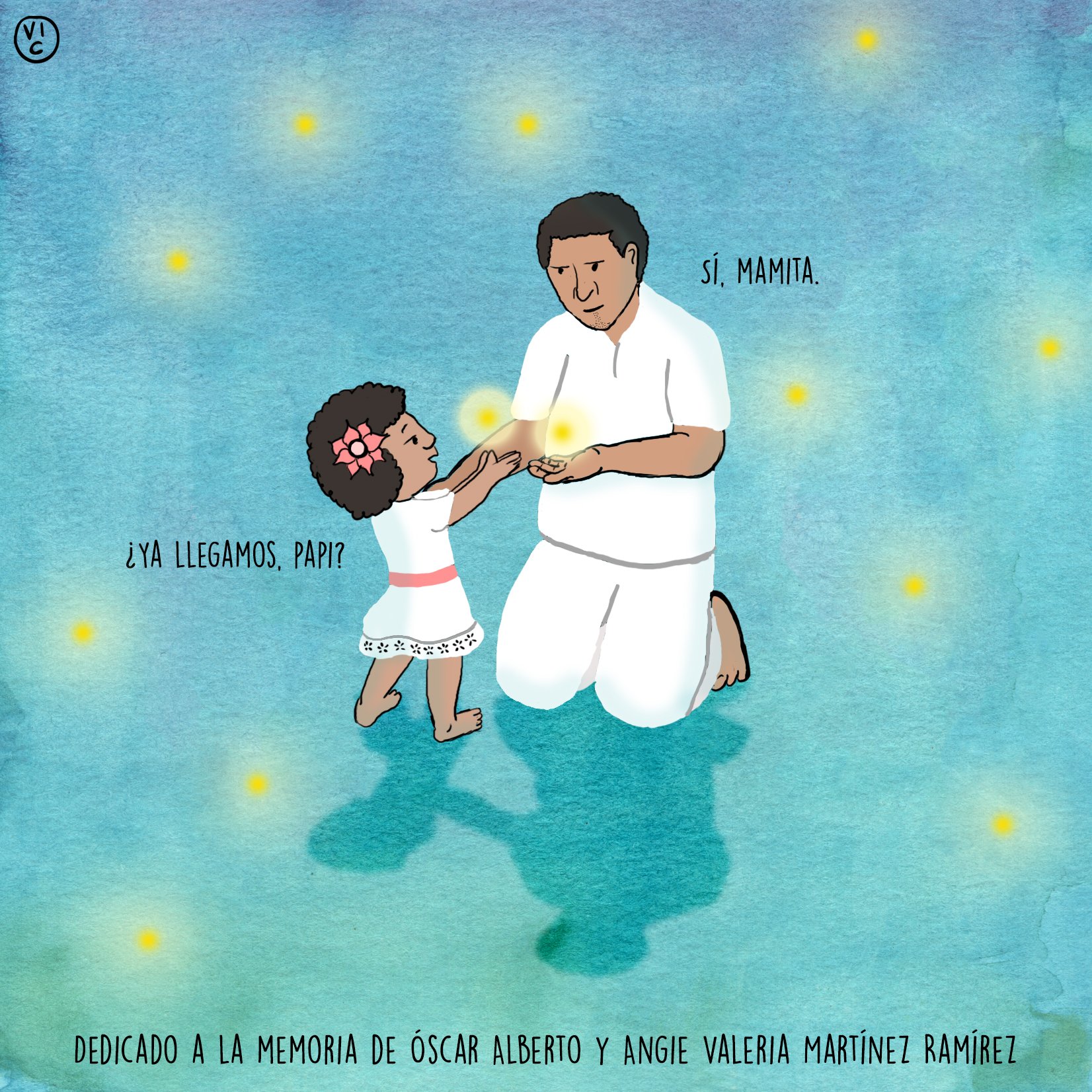
An Alternate History of El Salvador and Perhaps the World (Rio Grande) - This is a wishful, sweet rendition that transforms a site of trauma (the Rio Grande) into a river parents play in with their children. This nods to the death of Valeria, a young Salvadoran girl who died face down in the water with her father. I want to point to Dichos de un Bichos’ portrait of the daughter and father, which many Salvadorans found moving, in no small part because it centered on love. Weirdly enough, Reyes Jr.’s attempt to tell this story centers the river more than it does the love between families. The fixation of the river here feels very Mexican, especially considering how much longer and more dramatic the Central American migration story is. I respect Reyes Jr,’s attempts to heal this wound though. 

Overall, I was surprised by the fanfare and disappointed that a writer with such promise and given the privilege of attending Iowa would put this out at this stage. 2 out of 5.

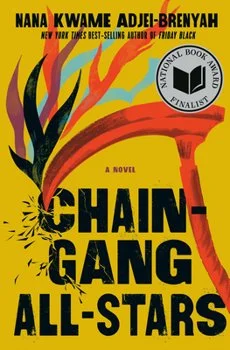
Chain-Gang All-Stars / Nana Kwame Adjei-Brenyah / 2023

Chain-Gang All-Stars / Nana Kwame Adjei-Brenyah / 2023 

Absolutely incredible. In Chain-Gangs All-Stars, Adjei-Brenyah imagines a world where the US prison system legalizes gladiator fights as a sport, a future at once unbelievably dystopian yet utterly imaginable given the trajectory of our nation. Adje-Brenyah interlaces the novel with non-fiction, journalistic accounts contextualizing the real life inspiration for certain scenes: the relationship between the immigration detention centers and the prison system, for example. Told from an ambitious range of perspectives, Adjei-Brenyah helps us understand both how humans can contort themselves to justify these injustices, as well as how they would survive them. Talking about this book usually leaves me blubbering, just saying words like incredible and genius. 5/5  

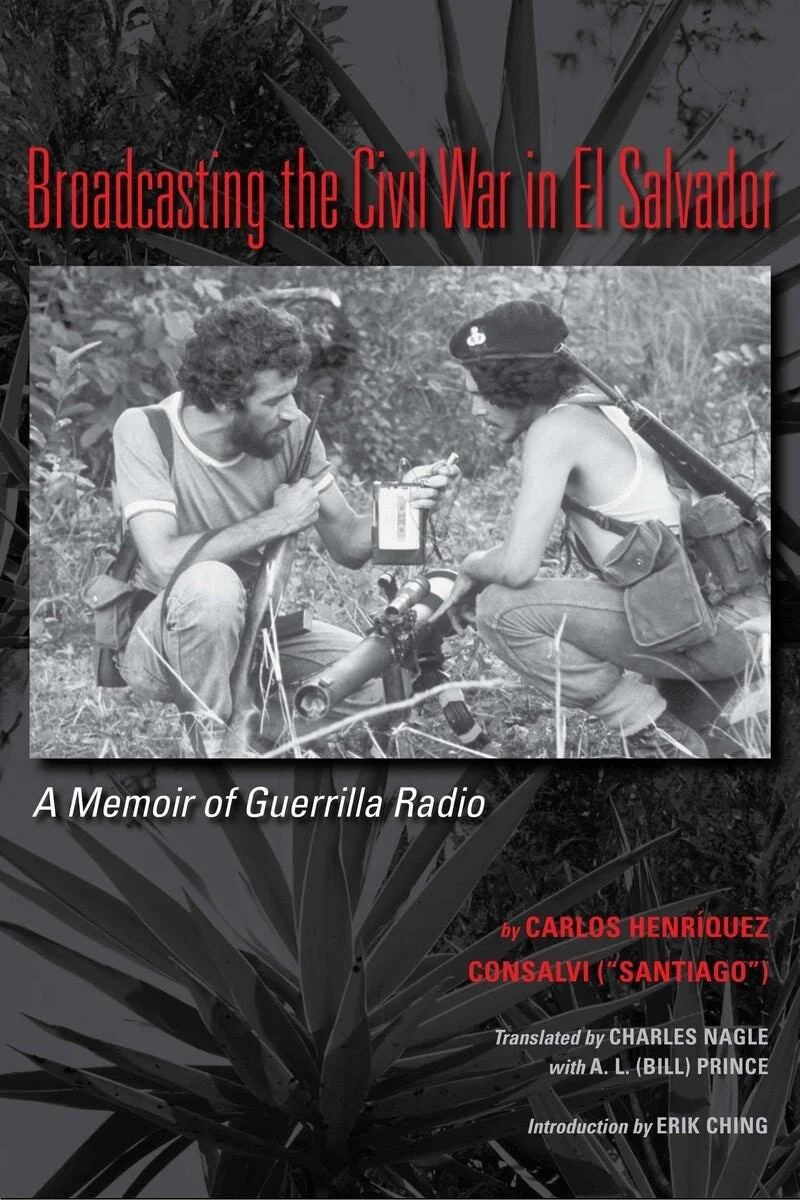
Broadcasting The Civil War in El Salvador / Santiago / 2010

Broadcasting The Civil War in El Salvador / Santiago / 2010

I started to read this in grad school, but like Miguel Marmol, I got distracted and finally returned to it this year. It’s an absolutely incredible memoir that recreates the lost diary of Santiago during the rise of Radio Venceremos. The diary was lost after a military attack, and Santiago was so distraught that his comrades agreed to help him reconstruct it. Narratively, the work is incredible, not only giving readers a glimpse of the drama of the war, battle after battle, but also tracking how the guerrilla nurtured their humanity, love, and joy throughout the process. The meat of the project is a 5/5. 
That said, I was surprised by epilogues that celebrate the end of the war, heralding it as a win, despite the less than ideal circumstances that prompted the new era of neoliberal democratization. This makes it seem like the guerrilla was fighting for democracy and not for social and economic justice. On one hand, I understand the need to present the peace accords as a viable pathway forward and the need to put aside the bitterness with your best foot forward. The FMLN didn’t have a pathway to win the war, so they had to bend to what they could achieve. It just reads poorly knowing all that was to come. 

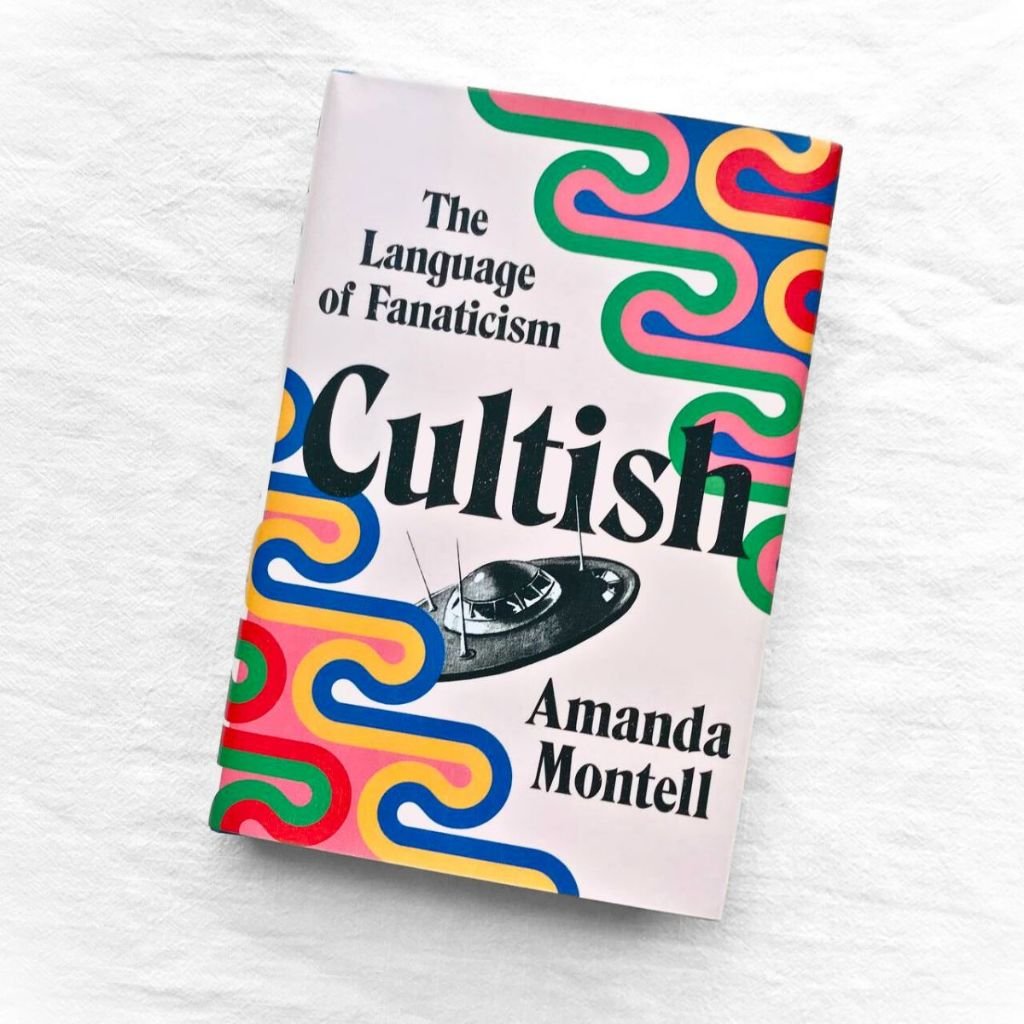
Cultish / Amanda Montell / 2021

Cultish / Amanda Montell / 2021

I read Cultish mostly because the line between cult and an organization being held together by a powerful magnetic leader can get blurry. I am curious how cult dynamics play out in a variety of different political, activist, and organizing settings, and figured Montell’s book might be a decent place to start. Overall, Cultish covers a broad swath of different leaders and settings, looking at each with a decent amount of attention and rigor. What she calls linguistics, I’m pretty sure is just a commonplace rhetorical analysis, but whatever. The rhetorical analyses and descriptions of different cultlike settings was moderately interesting, though not really relevant to my interests directly. She identifies common cult tactics, like the creation and enforcement of in-group lingo, as well as the severe consequences community members face when they attempt to leave. The narration, level of research, and so forth, felt more surface level, akin to a podcast-level, and less worthy of a whole book. Montell has been running her “Sounds Like a Cult” podcast for over four years now, so it seems like once she figured out the formula, she ran with it. Montell rightly hedges a lot, acknowledging that academic research is pretty allergic to the term “cult” because the term mostly exists to stigmatize organizations one dislikes for a number of fair or unfair reasons. A lot of the tactics toxic organizations use could be really healthy in a different context. The book was fine, just not the cup of tea I was looking for. 

I also met Montell once for the Utah Humanities Book Festival, and she was very warm and considerate, so I generally feel the need to tell people, she seems like a genuine, thoughtful, interesting person.  3 out of 5.

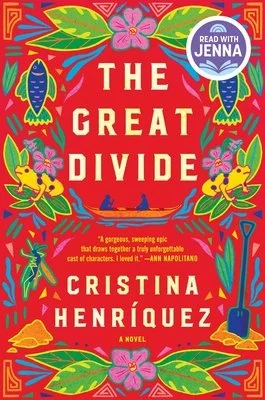
The Great Divide / Cristina Henriquez / 2024

The Great Divide / Cristina Henriquez / 2024

The Great Divide is a sweeping novel on the building of the Panama Canal. It tracks a fisherman and his estranged son who is building the canal against his wishes, a woman fighting against the displacement of her community, a Yankee doctor fighting malaria and the adolescent from Barbados who works as his help, as well as a slave driving Yankee working men to death in the canal. The novel opens gently and builds steadily. Before you know it, you’re enrapt in the drama of characters' lives, surprised by their various connections, and all under the steady hand of the author, who writes with a very clean craft that follows the rules of the genre without stifling any of the magic or inspiration. I read the book as a way of learning more about Central American history while touching grass instead of reading yet another lost in the sauce history book. It fulfilled that purpose and then some. 4.5/5 

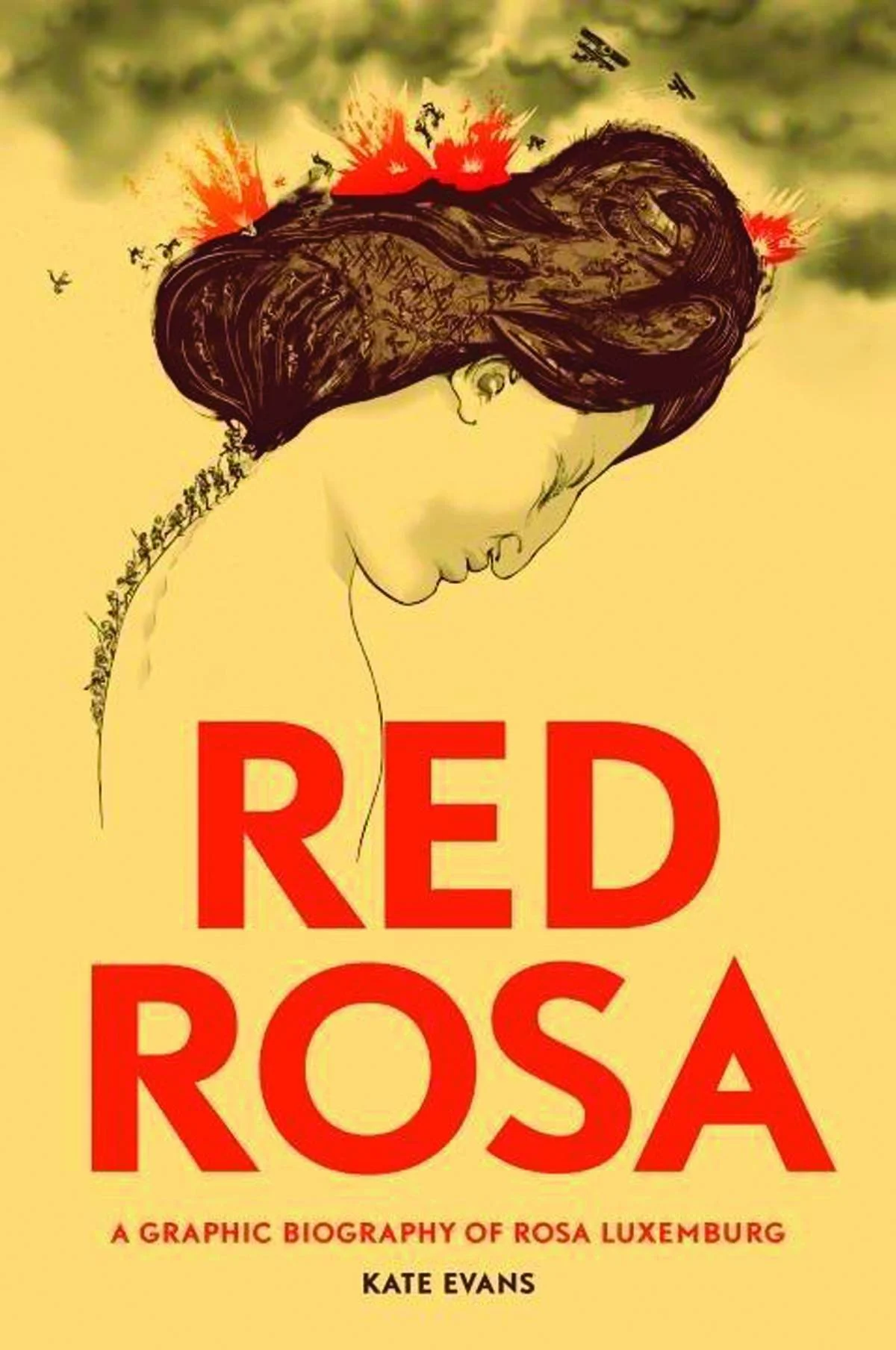
Red Rosa: A Graphic Novel on Rosa Luxemburg / Kate Evans / 2015 

Red Rosa: A Graphic Novel on Rosa Luxemburg / Kate Evans / 2015 

Movingly rendered and succinctly narrative with an impressive balance of personal life details, including brooding romances, and nuts-and-bolts Marxist analysis. The book covers impressive episodes from her life, relationships to animals, and all in a riveting pace I read in one sitting. Despite some sexual content, I think this is perfect for an entry level introduction to Rosa for mature adolescents, especially as its portrayal of relationships is complex. 5/5 

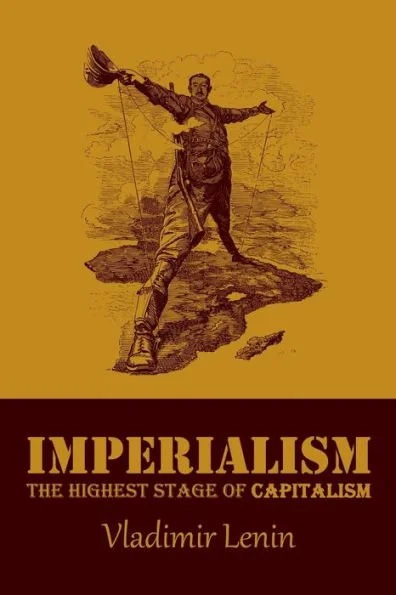
Imperialism, the Highest Stage of Capitalism  / Vladimir Lenin / 1917

Imperialism, the Highest Stage of Capitalism  / Vladimir Lenin / 1917

I cannot pretend to comprehend all of the economics in this book. However, this book did clarify to me the ways all capitalism leads to competing monopolies embarking on competing imperialisms. It made me a lot less sympathetic to the arguments of the leftist technofeudalist thinkers, like Varoufakis. Beyond that, to me this book was vegetables. I hope to understand it deeper as I study more, but for now, feel like I’ve gotten what I could from it. 3 out of 5. 

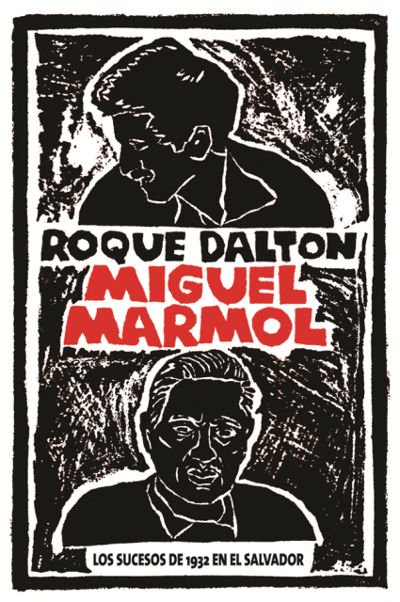
Miguel Mármol / Roque Dalton / 1987

Miguel Mármol / Roque Dalton / 1987

I began to read this book in grad school and was sidetracked for over a decade. I regret that sidetracking. I would have saved myself years of political and personal confusion had I taken the time to prioritize it. Mármol’s biography, as narrated and re-constructed by Roque Dalton and Mármol, captures the liveliest cantankerous voice of the 1930s Central American revolutionary movements in a biography that is at once harrowing, hilarious, and heartening. Whether describing the charms and joys of his impoverished childhood or the humiliations of his tortures, incarceration, or betrayals by his ex-wife and comrades, Mármol never fails to captivate. Included in this biography are miraculous stories and anecdotes of survival of a truly Christian magnitude. This book deserves a thrilling movie, a graphic novel, and more. 5/5 

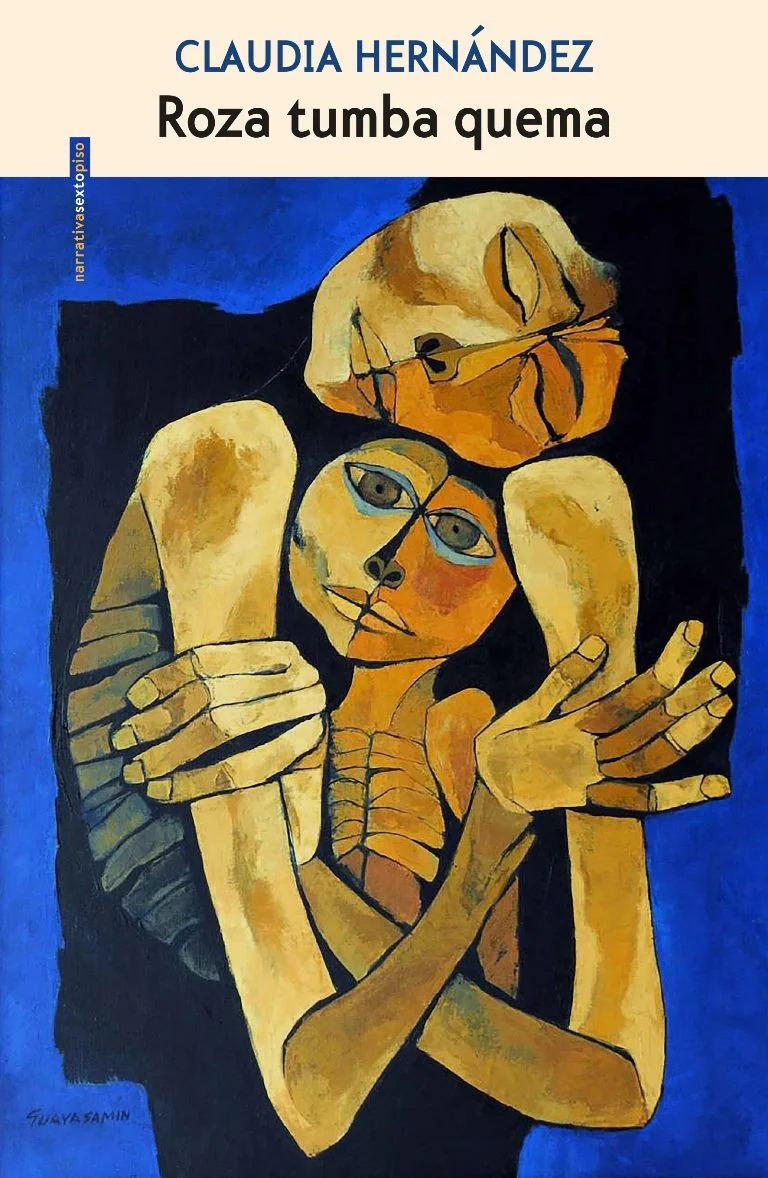
Roza tumba quema / Claudia Hernandez / 2018

Roza tumba quema / Claudia Hernandez / 2018

With Roza tumba quema and El Verbo J under her belt, Hernandez is perhaps the Salvadoran novelist who has best captured the pain and aftermath of the Salvadoran Civil War. Roza tumba quema follows a woman, criss-crossing through different eras of her life: as a guerrillera, as a mother fundraising for her daughter’s education, as a mother searching for her long lost daughter, and more. It is told in the dizzying narrative style of Hernandez which forces readers to reconstruct the context as she reads. I trust-fell into the style, sometimes losing track of who I was reading about when, but piecing it together, and the painful attention this takes, does something to the sentiment. Hernandez likes to leave readers unsteady, perhaps to avoid an easy sentimentalization, perhaps to give them a taste of the distress her characters face. In either case, it does little to hamper my sense of awe, gratitude, and desire to reflect over the lifetime Hernandez covers in this work. She writes the novels many others wished they were capable of writing with such finesse and grace. That is, novels that tell the story of an entire people, an era, with urgency and insights that resists simplistic readings of history. 5/5


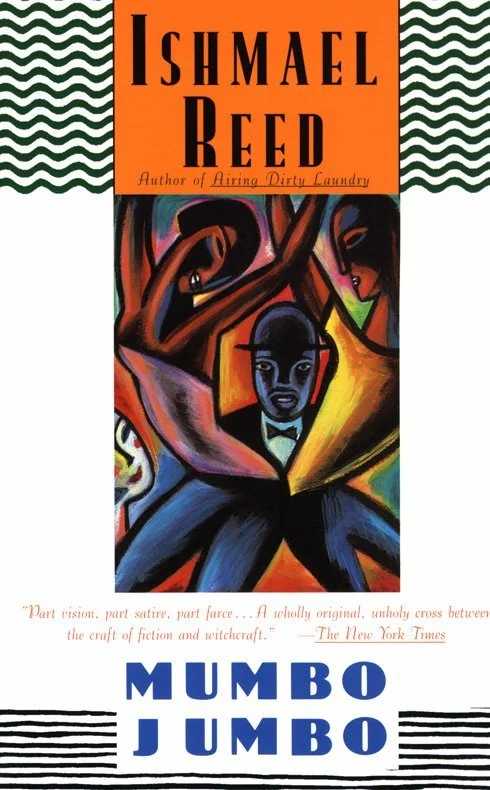
Mumbo gumbo / Ishmael Reed / 1972

Mumbo gumbo / Ishmael Reed / 1972

I’ve been wanting to read this book for years and I’m shook by its aliveness. Full of Black humor, Reed operates in the cynical, satirical mode that reminds me of Paul Beatty. Mumbo Jumbo follows a group of Illuminati elites as they try to take down the emerging Black intelligentsia, operating with a mix of political know-how and ancient magic and infecting the populace with a dancing epidemic--also known as jazz. Mumbo Jumbo creates its own formal rules, writing in sometimes brief chapters reminiscent of prose poems, and sometimes longer chapters. Either way, there is a jazz, a riff through socially complex interactions with a sharp political insight. I want to teach this book on a course on Black Intertextuality alongside The White Boy Shuffle by Paul Beatty and Erasure by Percival Everett. 5/5