Viewing entries tagged
Music

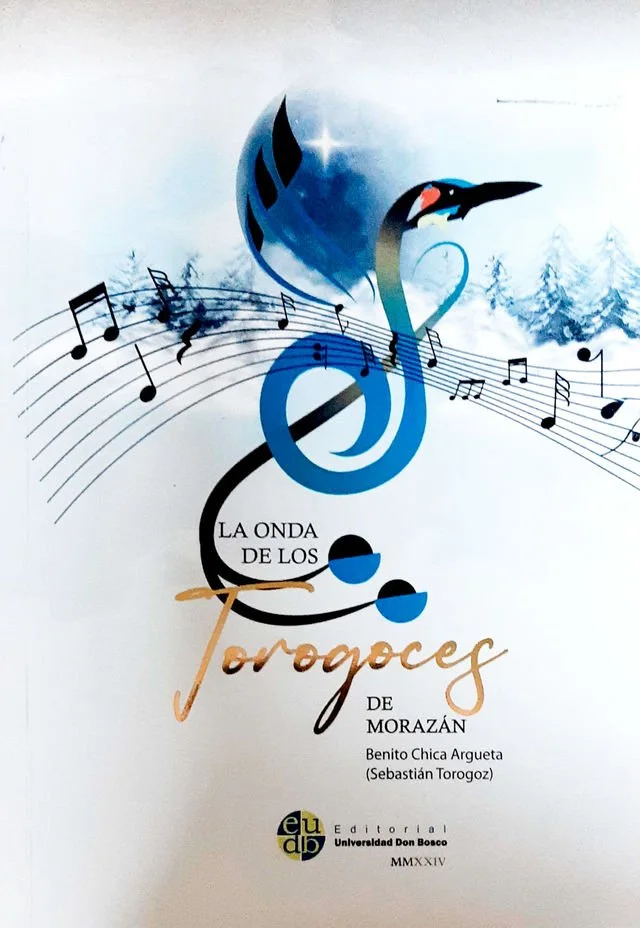
La Onda de Los Torogoces de Morazán / Sebastian Torogoz / 2024

La Onda de Los Torogoces de Morazán / Sebastian Torogoz / 2024

For those unfamiliar with the history, Los Torogoces de Morazán blossomed alongside Radio Venceremos during the Salvadoran Civil War. One could call it the musical arm of the FMLN, the leftist guerrilla group vying to overthrow the US-and-Israeli-backed capitalist dictatorship in El Salvador. During the war, they not only uplifted the people’s spirits with cathartic and edifying mariachi music. They also used their songs to report from the front lines the outcomes of battles, atrocities committed by the capitalist forces, and so forth. This book provides an intimate portrait of how the group came to be and the inspirations for some of their most popular songs. All of it is written in Sebastian Torogoz’s gorgeously folk and studied tongue. It’s truly magical to read masterfully crafted Spanish sentences, famous for its run-on clauses, all in Torogoz’s campesino dialect. The musicality is embedded into the language. The book is a harrowing testiminio and an inspiring perspective on campesino organizing during the war.

My only criticism of the book is that Torogoz distances himself and the movement from communism, claiming that he and his campesino peers were never very versed in Marxism and were fighting for justice, equality, liberation, etc. In the same book and elsewhere in their catalog, however, they have odes and elegies to great Marxist commanders and theoreticians during the war. Even if this unfamiliarity with Marxist ideas was true during the war, at thirty-plus years of distance one would have expected Torogoz to do more research into who his bedfellows were. In recent events held in Chicago, Torogoz also claimed we should move beyond the dichotomies of left and right to something that delivers true change for the people. While I understand his likely disillusionment with the FMLN and the left at large—it has alternatively been crushed or sold out in most of Latin America—I think this muddies things rather than clarifies them for people both trying to enact change and understand history. I give it a 4.5 out of 5.

Top Albums of 2025

2025 was an insane year in album releases. I was obsessed with albums by Mac Miller, Lil Simz, the Dog Park Dissidents, the Clipse, the Mexican Institute of Sound, Bad Bunny, Karol G, Esther Rose, and more, but alas, there’s only 10 spots on this end-of-year list. Late contenders like Rosalia and Snow Tha Product didn’t make the cut for my list this year, but I’ll see how they play out in 2026. Here are my top 10 albums of year. 

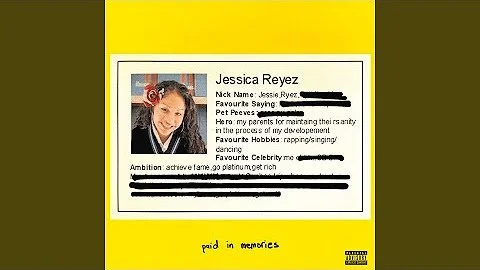
Jessie Reyez - Paid in Memories

Favorite Lyric: “Got holy books on my wall / The Quran says I'm Haram / And swears that there’ll be a trial to see / if my soul’s worth shit” 

No album rejuvenates my sense of youth, fun, and love like Paid in Memories. At 33, the feelings in the album can feel forever away as we respond to crises and care for children, but with a kiss and a barb, Reyez gives me butterflies again. This album makes me feel like I’m high on the beach when I’m running in Chicago winter slush with my dog.   

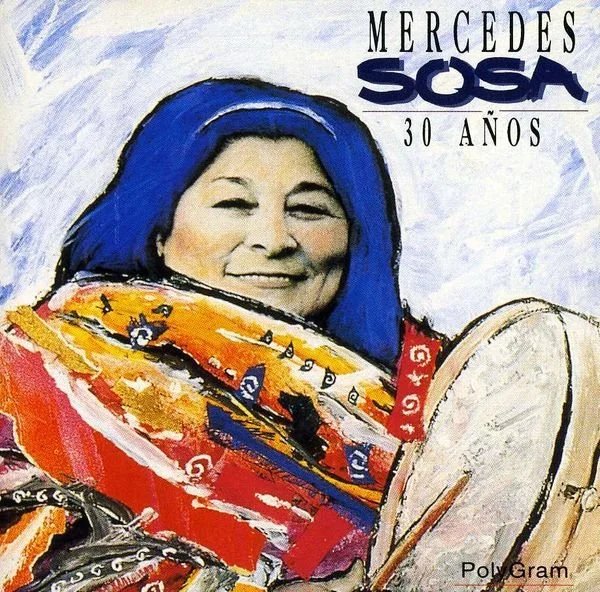
Mercedes Sosa - 30 Años

Favorite Lyric: “Gracias a la vida que me ha dado tanto / Me ha dado el sonido y el abecedario / Con él, las palabras que pienso y declaro” 

Mercedes Sosa is a must-listen to anyone in solidarity with the Latin American left. I’m embarrassed I didn’t discover her in my twenties. 30 Años is a greatest hits album, but having dug through more of her discography, I can guarantee Mercedes doesn’t miss. Songs like “Gracias a la vida” is a rare sad song about gratitude that doesn’t stick its head in the sand, a song that grows more important as we fight to weave a semblance of wellness amid so much grief. Songs like La Maza could only be performed by a singer with the ethos and gravitas to lead the people along their difficult work and makes me long for another artist that can enrapture the masses like Sosa.  Songs like “Maria, Maria” and “Solo le pido a dios” make the struggles etched in the bones of my people feel seen in ways I’ve never experienced before. 

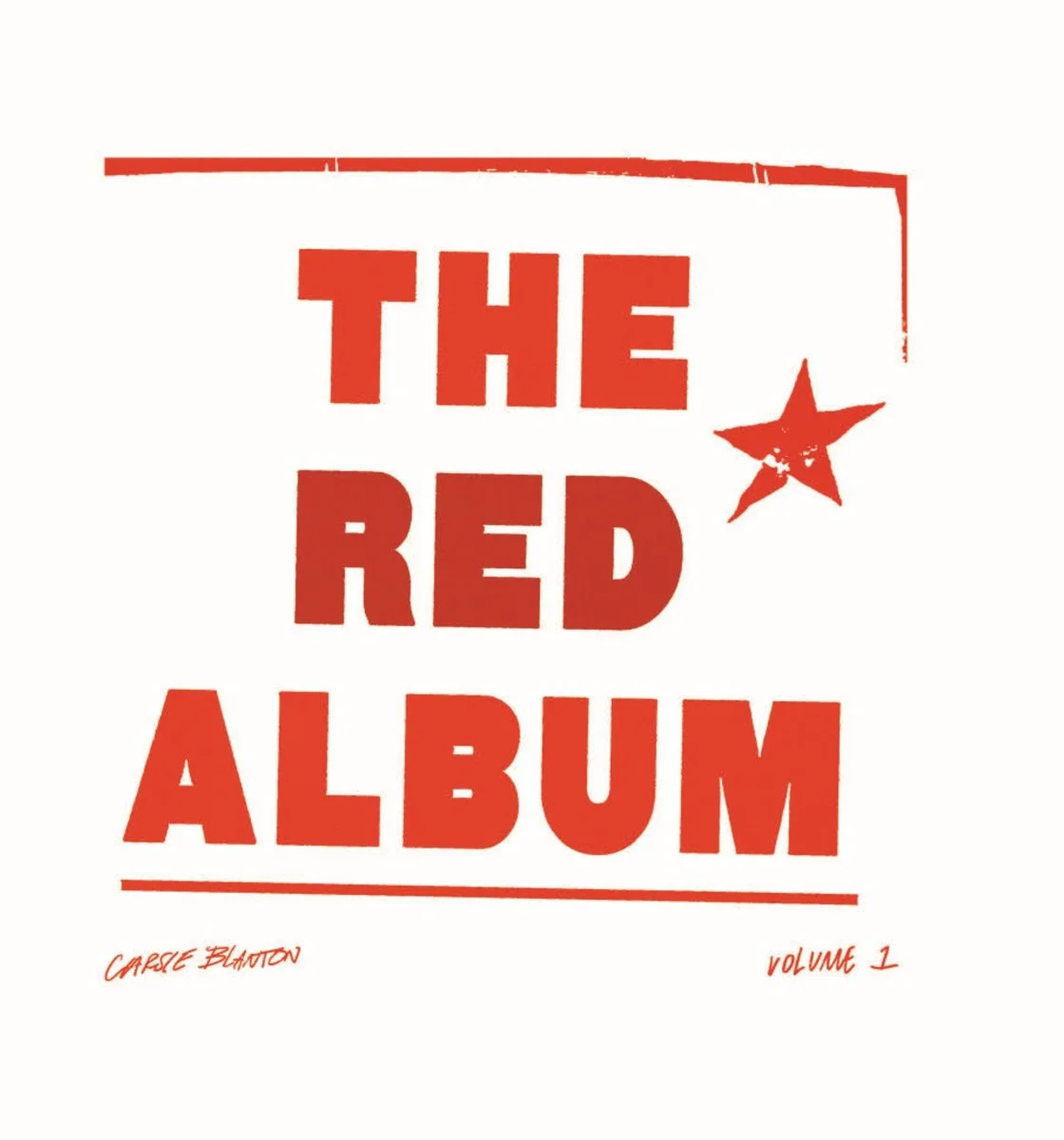
Carsie Blanton - The Red Album + Entire Discography

Favorite Lyric: “Ford the river, cross the sea / a slave, a rat, a refugee / strap the child to your side / keep the little flame alive.” 

Blanton is the commie folk singer I’ve always dreamed of. She has sexy, swoony songs like “Swimming in the Pool,” hot, bold songs like “Vim and Vigor,” sentimental love songs like “Two Sleepy People,” sharp wry political songs like “The Democrats” and sentimental, comforting songs like “Little Flame” and “Fishing with You.” Blanton took the charge to make the revolution sexy dead seriously and I hold her as high up as Mercedes Sosa above in my greatest finds this year. 

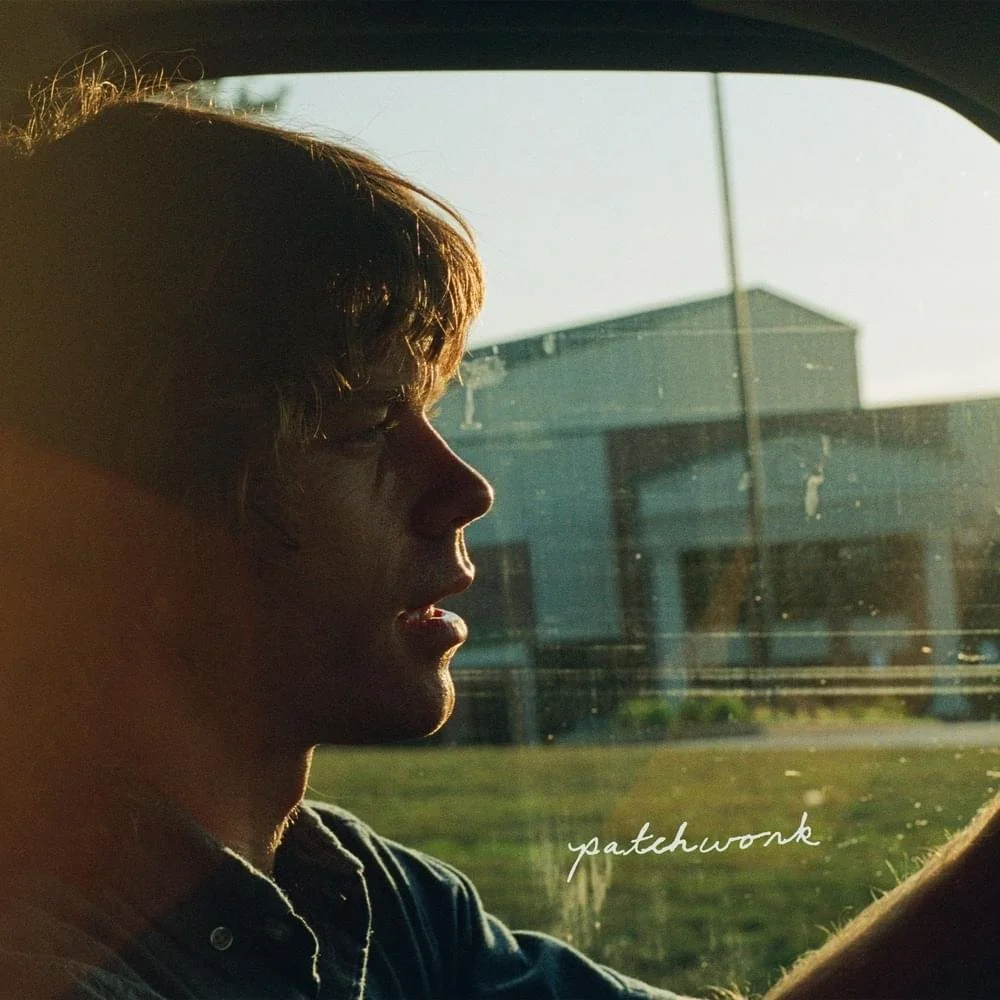
Jessie Welles - Patchwork 

Favorite Lyric: “Some folks go to school / Others have to learn that most of life is wishing / Tryin' to get back to a memory of a memory / You never might've had”

Jessie Welles was my gateway drug into a broad range of protest folk. Songs like “Fear is a Mind Killer” helped me breathe through the opening salvos of the Trump administration. “That can’t be right” and others helped me hold onto a flame of nostalgia and love long enough to make it through tough days. While I don't love all his songs, the ones that hit fucking hit. 

Lella Fadda - MAGNÜN

Favorite Song: Tarat Tarat Tat

Delivered with an incredibly seductive and fierce swagger over electronic hiphop with slick bass, Lella Fadda is my favorite rapper of the year. Hailing from Italy and Egypt, all her bars are in Arabic, which has a special kind of river and curve you can't get anywhere else. Turns out the lyrics are pretty feminist and snappy, and her music videos reflect this humor and tenacity. 

Kali Uchis - Sincerely 

Favorite Lyric: “Stay away from my baby, / stay away from my home. / That’s all I ask of the world.” 

These songs made me feel like I was floating in a cloud on the beach eating strawberries. Mostly, I would let this album wash over me like a warm wave.

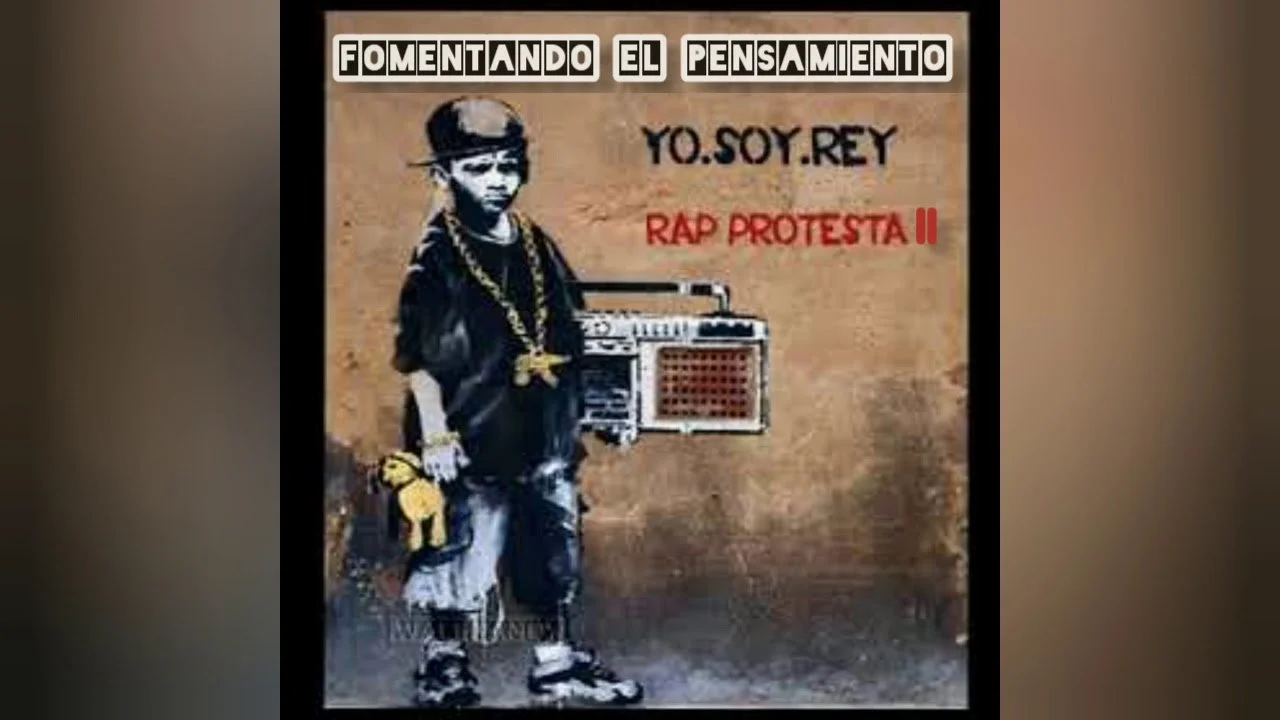
Yo.Soy.Rey - Rap Protesta, Vol II + Discography 

Favorite Lyric: “Lo que hay sobre la tierra algun dia fue de todos.” 

The opening track marks Venezuelan rapper Yo.Soy.Rey off as a reformed murderer and conscientious rapper, who believes in the hard work of building a better world. He raps like a mix of Immortal Technique and J. Cole with tracks about getting high with Martians, disses to Maduro, and more. Despite occasional homophobia, this was a gem of a find this year. 

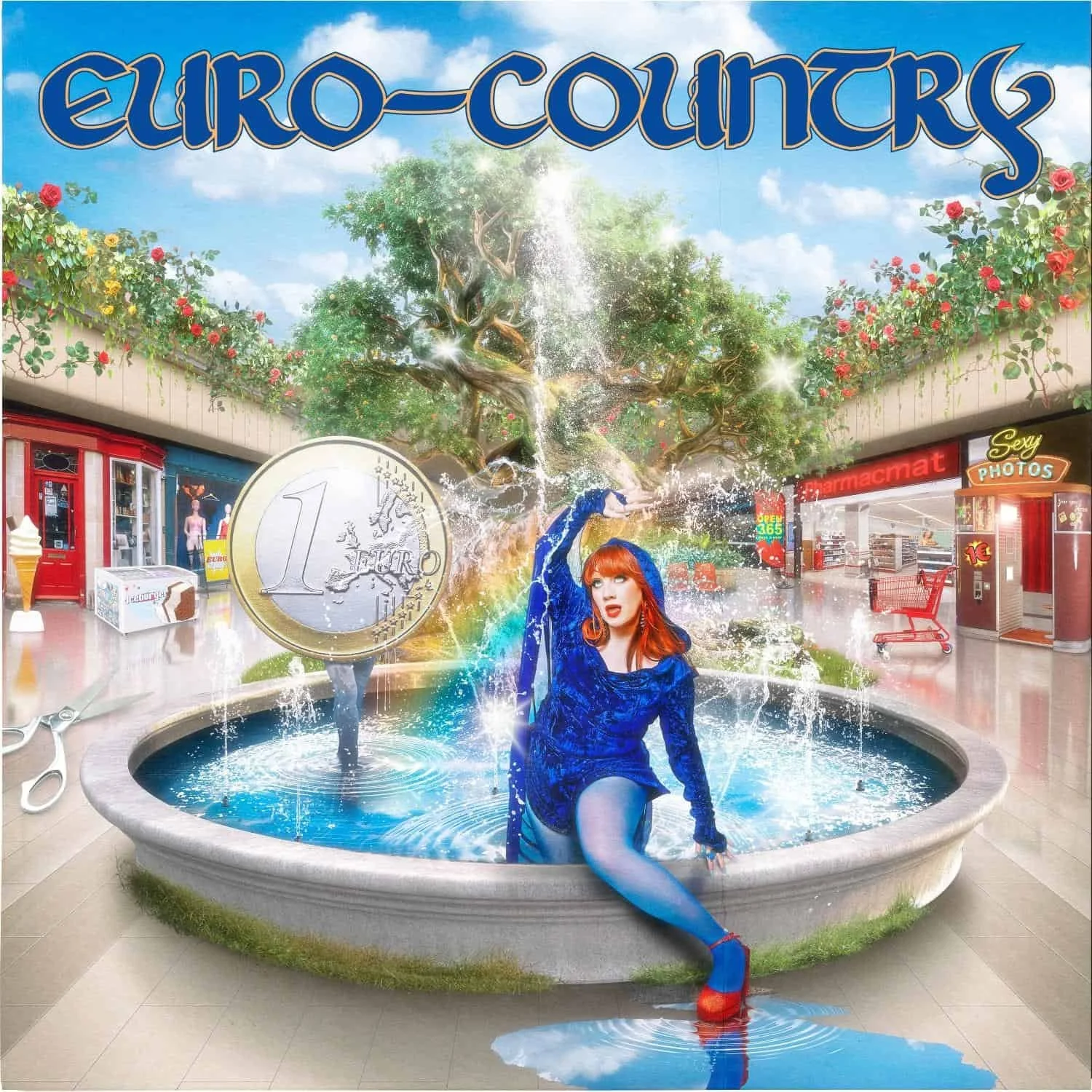
CMAT - Eurocountry 

Favorite Lyric: “I don't miss you because I can't / If I think too much about you, I’d go mad.”

I imagine Lucy Dacus listens to CMAT with a knife in her hand. Her lyricism just hits when you least expect. The first time Let That Tesla Crash hits you'll be on the floor thinking about your dead friends. It's crazy. It’s hard being that hot, queer, smart, and bothered. 

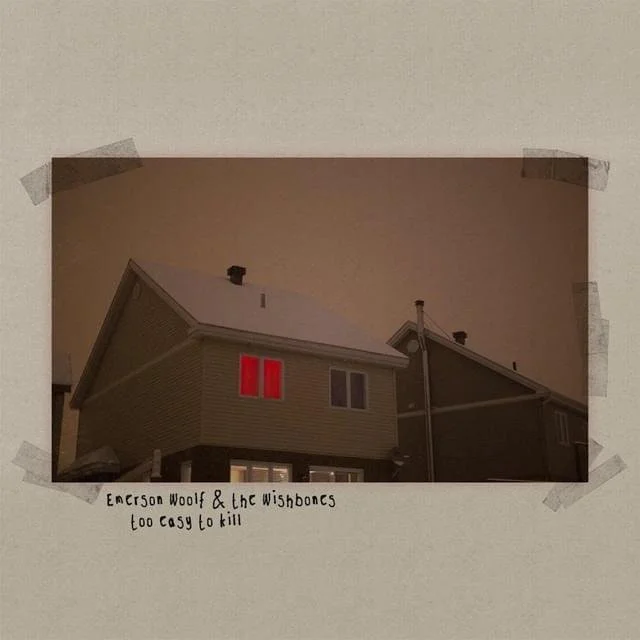
Emerson Woolf and the Wishbones - Too Easy to Kill + discography

Favorite Lyric: “My pussy is a gun / and it’s pointed at your head. / And I can kiss you so good / you’ll wish that you were dead.” 

I feel like I grew up with white girls like Emerson in Utah. A hook like “Jesus doesn’t love me” made me laugh, then weep with young grief. Songs like “Not a Good Woman” and “Wouldn't it be funny?” hooked me, because goddam Emerson isn't afraid to go rabid raccoon lyrically. I’m grateful for songs like Sixth Sense that process death in such mundane ways. I go to her when I need to sink into my sad little corner with my bag of Skittles and just try to get through the day. 

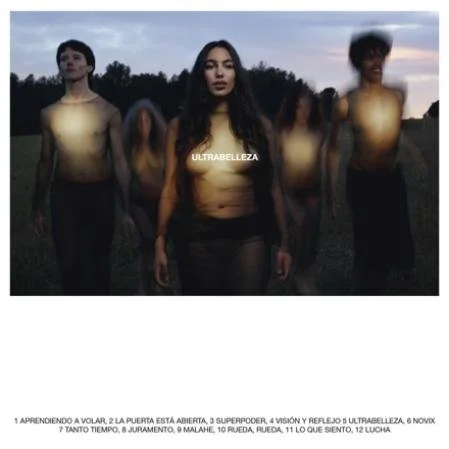
María José Llergo - Ultra Belleza

Favorite Lyric: “Aprendí a llorar cantando / Aprendí a cantar llorando” 

If you love Rosalia’s album, you will love this one as well, especially the Tiny Desk concert. Hailing from Spain, Llergo has a voice that can make angels weep. These sentimental songs are young in their vibrancy and hope. “Superpoder” is the song I kept returning to over and over. This album is kindling to keep your fire going. 

My Top 10 Albums of 2024

1) The Past is Still Alive / Hurray for the Riff Raff / 2024

Because I grew up around a lot of rich, racist country-loving folks, I’ve had a lot of trouble sinking into good folk and country my whole life. I never thought 2024 would be the year folk and country albums would dominate my listening for long stretches. Hurray for the Riff Raff is the culmination of this new turn for me. A queer boricua cowgirl crooning about fentanyl, love, and highways, Hurray for the Riff Raff frequently pushed my despair into the sublime, transforming my grief into nostalgia. The first song “Alibi” reminds me of the worst times of my life, but not the terror and sickness, but the love of friends like Gionni Ponce during those times. These songs convince me to love, to dream, to try against the odds.      

Favorite Lyric: I used to think I was born into the wrong generation. But now I know I made it right on time to watch the world burn with a tear in my eye to watch the world burn I’m right on time. 

2) I DREAMT I FOUND A RED RUBY - Francesca Wexler - 2024

Francesca Wexler’s music makes me feel like my most beautiful, intelligent, and heavy self. Top-notch pen game with a complex range of queer emotions on lush beats. The music feels like the best sort of edible high in the summer sun. I literally feel warmer when I listen to it. This was my soundtrack for the entire summer, including my trip to Guatemala and El Salvador where I fulfilled my lifelong dream of reading the book I wrote on my mother’s life in the homeland surrounded by loved ones and comrades. 

Favorite Lyric: All my angels work the night shift. 

3) GNX - Kendrick Lamar - 2024 

It’s painful to watch so much of hip-hop culture be saturated with rappers’ lowest vibrations, completely self-abandoned to gluttony, amorality, egoism, and horrifyingly bad politics. Kendrick’s presence in the culture this year felt like a rare voice of authority trying to carve out a pocket in the culture where bangers and reason could co-exist. I was surprised by how much the fury and hatred he unleashed during the beef spoke to my own frustrations with the US at large and how much I needed that release valve. As ugly as the beef got, it was incredibly impressive to watch Kendrick remain grounded and emerge a fuller artist. GNX is some of my favorite Kendrick for its playfulness and groundedness. 

Favorite Lyric: Starting to see spaceships on Rosecrans. I see the aliens hold hands. They wanna see me do my dance.     

4) Lonestar Luchador - That Mexican OT - 2023

That Mexican OT feels like the first true heir of Big Pun’s legacy. That Mexican OT combines mariachi chillidos with Pun-level wordplay in a classic Texas country lean. Lonestar Luchador is brilliantly crafted with hilarious Ralph Barbosa skits and conceptually tight-knit songs that dive between bravado, trauma-dumping, and just pure fun.   

Favorite Lyric: I had to congratulate her parents cuz they made em a bad bitch. 

5) DEIRA - Saint Levant - 2024 

Rapping and singing in English, French, and Arabic, Saint Levant is the Palestinian lover boy you didn’t know you needed in your life. Because who said surviving and resisting a genocide can’t be sexy af. These dreamy tunes made my Chicago summer days magic, without asking me to stick my head in the sand either. Thank you to Lin Flores for turning me onto this. 

Favorite lyric: I hear the sounds of the bombs in our sleep, but I never in my life heard the sound of defeat. 


6) Dark Times - Vince Staples - 2024

Vince Staples deserves just as much love as Kendrick.  I think he is who people think J. Cole is. This is spiritual psychedelic rap, the album ending with a woman’s vision of the universe’s slow struggle to the perfection of our souls. I love Vince because he has a way of holding the agony of living and making it bearable, his calm steady voice slowly sinking into your subconscious. I don’t typically find his songs catchy, but after a few listens, I get hooked by the feeling and the space it opens in me to feel peace. This album traverses all sorts of heartbreak with ten toes planted in the concrete.

Favorite lyric: I don’t need your flowers, I’m living. The first time I saw a million dollars I squinted.  

7) Few Good Things - Saba - 2022

Saba taught me how to move through a Chicago winter with this album. The soundscape couldn’t fit the city better. The project dropped in 2022 when I was distracted by JID, Pusha T, and Amindi. I’m glad I returned to it though because this album is every bit as worthy and incredible as those three. Dominated by blue-gray soundscapes and gritty lyrics about how weird it is to survive and thrive in a burning world, Saba’s growth in this project is incredible. 

Favorite Lyric: I got everything I could ever need / and i try to keep that in mind / whenever i meet a man trying to sell a dream

8) Crying, Laughing, Loving, Lying - Labi Siffre - 1972

December 2023 I crash land in India full of PTSD symptoms and the shock of the move to Chicago still fresh on my nervous system. Labi was a crucial part of my healing as I cherished the unimaginably cool moments with my new family, ate delectable food, and fell deeper in love with Anushka. I listened to Labi while practicing a difficult set of new qi gong movements and breathing through the pain. The opening song allowed me to enter a space of reverence with my loves and losses, and the rest splayed playfully out, setting me up for my year of exploring folksier sounds. Shoutout to the student who turned me onto the project. 

Favorite Lyric: I am free man and my father he was a slave. I have been broken but my children will be saved. Saved for the fire of man’s desire. Saved for tomorrow with today’s sorrow. Saved for a Jesus who does not need us. Saved for the lovers I pray they will discover.  

9) Chromokopia - Tyler, the Creator - 2024

Tyler’s paranoia-packed album came just in time to shake me out of my fear of the ever-rising tide of fascism with lyrics that are equal parts soulful and mischievous. It’s great to hear Tyler be his whole queer self on such energetic production.

Favorite lyric: give a fuck bout pronouns, I’m that n**** and that bitch. 

10) Hells Welles - Jesse Welles - 2024 

I found Jesse Welles through his song about the assassination of the UnitedHealth CEO, and his politically sharp folk with biting satiric lyrics has won me over so powerfully, he slid into this last spot in the final minute. He’s equally capable of making me seethe, laugh, and cry with croons that are equally soulful and goofy. He has a whole album on nature, giving odes to bugs, trees, and whales and two others making political commentary on everything from the genocide, cancer, modern-day slavery, and more. I’m just happy to have found someone as angry and silly as I feel most days. 

Favorite lyric: the dead don’t feel honor, they don’t feel that brave. They don’t feel avenged. They’re lucky if they got graves. 

Honorable Mentions (in no particular order)

La Isla - Rels B 

Mind Blade - Malev da Shinobi 

Antitesis - YoungShiva

Cowboy Carter - Beyonce

Please Don’t Cry - Rapsody

If My Wife New, I’d be Dead - CMAT

Where I’ve Been, Isn’t Where I’m Going - Shaboozey

Alligator Bites Never Heal - Doechii 

Javelin - Sufjan Stevens 

The Long Game - Marlon Craft 

The Secret Room: A String Quartet / Kazim Ali / 2017

The Secret Room: A String Quartet (Kaya Press, 2017) by Kazim Ali.


Presented as a novel written as a musical score for a string quartet, The Secret Room by Kazim Ali follows four characters as they navigate a numbing onslaught of longing and frost, death and red lights. Each story is told simultaneously, as if each voice were a different instrument on a musical score. If read as a traditional novel, the reader will alternate between two or more voices in most of the sections. Part contrapuntal, part free-form lyric narrative, the novel may not always read seamlessly in a traditional front-to-back manner, but the poetic connections and tensions make each page erupt with meanings and emotional nuances. The Secret Room is a book I revel returning to because of the deftness with which Ali exploits the potential of this one-of-a-kind form.

Take this excerpt from the introductory section of the novel, for example, aptly titled “theme.” The first voice and protagonist of Ali’s novel-in-verse is Sonia Chang. Sonia is a concert violinist, one of those majestically disciplined people who practices for hours, lost in darkening rooms, swallowed within an intimacy unknown to an unfortunate majority of us. Here, Ali provides a glimpse into her devoted practice. The rewards of her dedicated meditation are described in language that evokes both the spiritual and erotic, in the Platonic and carnal senses. If we read Chang’s voice in isolation, it reads like this:


She has never felt in her life / this way: / when music fills her / she feels lost. / And filled. / Remember the temple-pools. / She’s adrift now / halfway between sleep and the sound of ocean. / How can she open her self to the sky— / It’s a delirium, she thinks. / It’s a sort of fever (19-20)


On the page, however, Chang’s story is intertwined with the stories of three other characters, as in this image of page 19. Positioned as the opening notes of Ali’s string quartet, the quoted description of Sonia’s practice serves as a sort of ars poetica to The Secret Room’s biochemistry. Like much music, Ali’s The Secret Room has the power to make you feel lost and full at the same time. Voices interlock and slip away deliriously. Even when you cannot outline the exact shape of the narrative’s geometry, you will feel it. It’s not that Ali’s string quartet lacks structure or obscures itself through imprecision. Each narrative is told clearly on an individual level and combine to create one unified voice. Rather, the experience of shifting from voice-to-voice so swept me away in the swell and tide of the music that the traditional expectations of linear forms and plotlines became subordinate to the demands of lyric and prayer.

I realize this image in isolation can make the novel seem labyrinthine. I confess, I flipped through the first twenty pages of the introductory “theme” five times over: four times following one of the four protagonists in isolation and a final time reading them all together. If this sounds tedious, it wasn’t. First of all, this didn’t amount to much reading because each character only has four lines per page at most. More importantly, however, Ali’s sense of rhythm and tension is so keen it was absolutely captivating. After developing a familiarity for the voice and the narrative conflict of each individual character, it became not only easy to follow if I read them altogether, but magical. In the same image from page 19, for example, Chang’s voice combines with the voices of Rizwan Syed, a yoga instructor. When music makes Chang “[feel] lost. / And filled,” and she “[r]emembers the temple pools,” Syed’s section follows with a resonant description of the practice of yoga: “In these quiet moments the empty spaces of silence open wider still.”  A few lines down, when Chang is “adrift now / halfway between sleep and the sound ocean,” Syed recalls, “the “Temple-pool” position” where “students breathe, become bowls.” Ali has not merely placed four different narratives side-by-side. He has arranged them so they parallel and contradict one another, so sentences almost flow completely into one another.

There is little doubt that this potentially intimidating form has limited The Secret Room’s readership. Of the three scanty reviews online (two of which are less than 120 words and on Goodreads), each points to its formal innovation as a sort of deformity, an experimental fetish “not for everyone,” lauded with five stars but noted as a deterrent. It wounds me to see such painstaking craftsmanship and poetic form dismissed by some readers, as works of literature that marry form and content so masterfully are so rare. 

Genre and reception aside, The Secret Room’s value lies not merely in its undeniable technical brilliance, but in the heart of its concerns: each character struggles to create meaning in a life severed from their mother country, spurred by the demands of two, at times diametrically opposed, cultures. With the focus and exertion of a true artist, Sonia Chang prepares for her upcoming concert, “suspended against logic and her fear” (115). Meanwhile, Rizwan Syed, a yoga teacher and aging bachelor, is broken by the death of family members; years of isolation, cultural disconnection, and familial alienation flood in, forcing him to break his personal silences. Jody Merchant, on the other hand, is a social worker whose life beyond the redundant labor of motherhood and her career has come to a halt; like the traffic, it is “nearly unmoving,” as Merchant struggles to rekindle her faded passions (25). Lastly, Pratap Patel grapples with the trauma of losing his younger brother to cancer as a child in India and the paradoxical meaninglessness of his successful life in New York.

Each character must exchange a pound of their souls for survival. Sonia gives up on her dreams of traveling to Kerala and studying South Indian classical music; Jody abandons her name; Rizwan does not speak to his family for years; and Pratap chooses to bear his burdens alone, alienating even his wife. In this way, The Secret Room models and undermines a variety of strategies for healing—from death, from burnout, from migration. Just as Patel begins finding solace in yoga, for example, Syed begins to feel disenchanted with the practice. Ali’s genius lies in the way he shows that each of these fragmented narratives and shattered lives is connected, pulled together and parallel like the strings of a violin. Images from one voice will reappear inverted in another. Characters encounter one another in surprising ways, revealing the intimacy possible within a yoga studio or concert hall, the lightyears between people in the same offices and beds.

Ali has one of those voices that can make the most complex compositions feel lucid. And he manages it all while chiseling jaw-dropping lines that can stand alone, no form or narrative necessary. For the past weeks, I have walked around the following line like a sculpture in mind: “At some point in the barely seen seam between noon and Sonia, a bell rings” (68). Readers will undoubtedly feel their own lives braid into the threads of each narrative until there is no seam between them and Jody’s utter devastation. Until there is no seam between the reader and Pratap’s salvation.