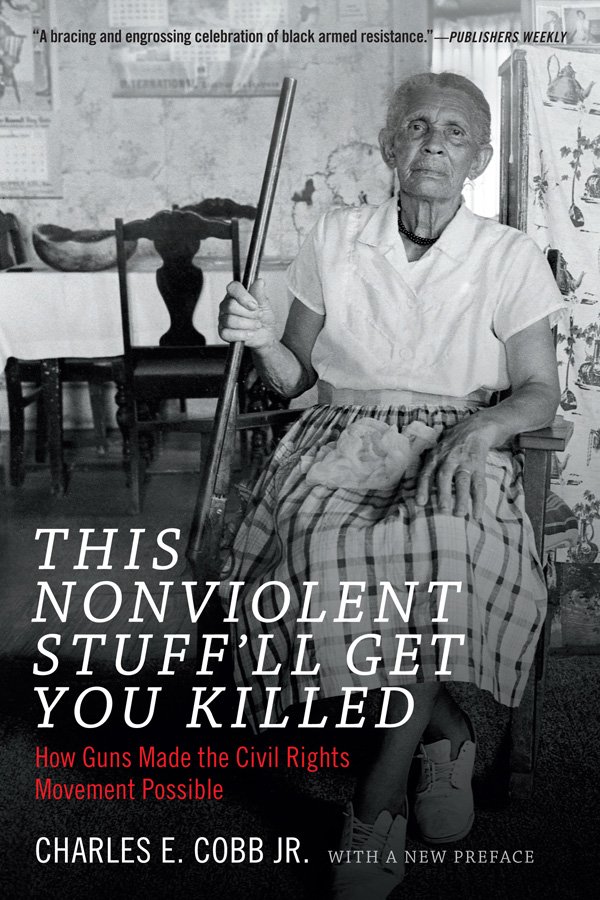
Civil Resistance: What Everyone Needs to Know / Erica Chenoweth / 2021 and If We Burn / Vincent Bevins / The Mass Protest Decade and the Missing Revolution / 2023
I read Civil Resistance at the recommendation of a friend. If anyone else gets recommended Civil Resistance, I recommend you read If We Burn, instead, as it tackles the same questions in a much more intelligent and captivating manner.
Below is a brief list of my qualms with Civil Resistance.
It does not know who its audience is. There’s a portion of the book that lists and discusses different methods of civil resistance. She spends a bit of time delineating when and why tactics like self-immolation, hacktivism, hunger strikes, leaks, property destruction and riots are "civil resistance" and not. None of this is objectionable necessarily, but there's a tendency for baby organizer books to be advanced and rudimentary at the same time, which I think is just a weakness in writing. Like, hey, reader, I'm gonna explain street art to you since you need that, but also SELF-IMMOLATION even though you clearly still need street art explained to you.
I wastes its time with silly baby organizer questions like “has civil resistance been effective against racism?” “What about against corporations?” It's just silly baby questions anyone with a modicum of historical understanding can connect dots. The author claims civil resistance ended slavery, which is a mic-drop moment of stupidity. Because of course civil resistance was critical to ending slavery, and no, it was not nearly sufficient enough. Like have you heard of the civil war and Sherman's march? The UK didn't end slavery "in response to armed and unarmed revolts" alone necessarily, either. The Black Jacobins explains how the UK was losing the upperhand against other slavers and it economically behooved it to abolish slavery, take the moral upperhand, and use the newfound position as abolitionists to manipulate opponents colonial holdings. Hey Haitian slaves, we'll help you overthrow the French if you let us become your economic overlords and give you your "freedom." etc.
There seems to be far too much determinism in how she views the aftermath of violence and nonviolence. For example, she blames Palestinian violent resistance for moving Israelis to the right. While she’s certainly right in part, she doesn’t take into account that 1) there's been global shifts to the right, suggesting other material and economic circumstances, like social media, etc, contribute to the problem 2) the other option for Palestinians and many other groups is a silent genocide.
The tricky thing about her sort of analysis is we can't compare movements with what would've happened otherwise and for movements with a lot of dynamism and pressure, this book provides maybe just a reminder of the risks and benefits of violence. To be clear, I'm all for civil resistance. It can and has worked to get concessions from states. If that's your only goal, then it's clearly the wiser path. Civil resistance is also a critical step in any revolutionary process. You won't be able to lead a people's army if you can’t lead a well-coordinated boycott or civil disobedience campaign first. Marxist Leninists are sure to bristle at the ways this book is confusing the masses on what is effective protest and how to determine what sort of protest would be most effective.
If We Burn, on the other hand, is written by a journalist who trailed and interviewed movement leaders in Egypt, Ukraine, Brasil, Turkey, China, and elsewhere for years to understand the shape of their civil resistance movements, and why and how they failed. Rather than encouraging folks to pursue the same tired strategies or pointing out with an almost doomerist tone that most strategies fail to yield substantial and long-lasting concessions, Bevins challenges readers to get more creative, organized, and centralized in the face of defeat. Notably, he pointed out that of the leaders he interviewed globally, when they shifted perspectives, they universally shifted towards wishing they had been more centralized and hierarchical, rather than decentralized, so that when it came time to seize power they would have been ready. They realized, there is no such thing as a political vacuum. Political power will be seized with whoever has the means and will to do it. You can’t just remove a bad actor and expect things to work themselves out. Things can always get worse.
While Civil Resistance includes decontextualized, shallow descriptions of a range of social movements, If We Burn provides in-depth narration shaped by key movement figures and an invested leftist journalist’s analyses. Civil Resistance deserves a 1 out of 5, especially compared to If We Burn, which I’ll give a 5 out of 5.