Viewing entries tagged
Salvadoran Civil War

La Onda de Los Torogoces de Morazán / Sebastian Torogoz / 2024
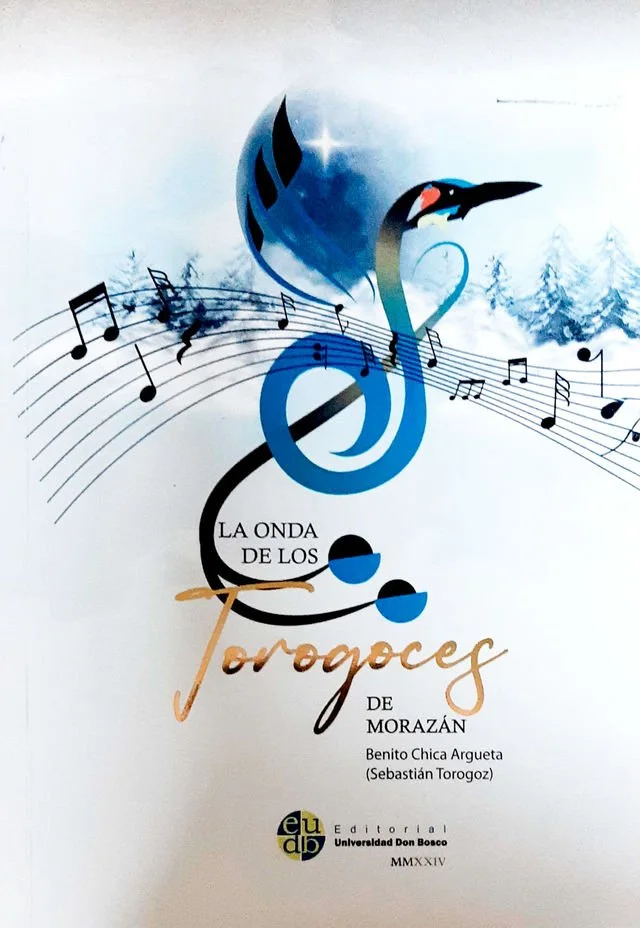
La Onda de Los Torogoces de Morazán / Sebastian Torogoz / 2024

For those unfamiliar with the history, Los Torogoces de Morazán blossomed alongside Radio Venceremos during the Salvadoran Civil War. One could call it the musical arm of the FMLN, the leftist guerrilla group vying to overthrow the US-and-Israeli-backed capitalist dictatorship in El Salvador. During the war, they not only uplifted the people’s spirits with cathartic and edifying mariachi music. They also used their songs to report from the front lines the outcomes of battles, atrocities committed by the capitalist forces, and so forth. This book provides an intimate portrait of how the group came to be and the inspirations for some of their most popular songs. All of it is written in Sebastian Torogoz’s gorgeously folk and studied tongue. It’s truly magical to read masterfully crafted Spanish sentences, famous for its run-on clauses, all in Torogoz’s campesino dialect. The musicality is embedded into the language. The book is a harrowing testiminio and an inspiring perspective on campesino organizing during the war.

My only criticism of the book is that Torogoz distances himself and the movement from communism, claiming that he and his campesino peers were never very versed in Marxism and were fighting for justice, equality, liberation, etc. In the same book and elsewhere in their catalog, however, they have odes and elegies to great Marxist commanders and theoreticians during the war. Even if this unfamiliarity with Marxist ideas was true during the war, at thirty-plus years of distance one would have expected Torogoz to do more research into who his bedfellows were. In recent events held in Chicago, Torogoz also claimed we should move beyond the dichotomies of left and right to something that delivers true change for the people. While I understand his likely disillusionment with the FMLN and the left at large—it has alternatively been crushed or sold out in most of Latin America—I think this muddies things rather than clarifies them for people both trying to enact change and understand history. I give it a 4.5 out of 5.
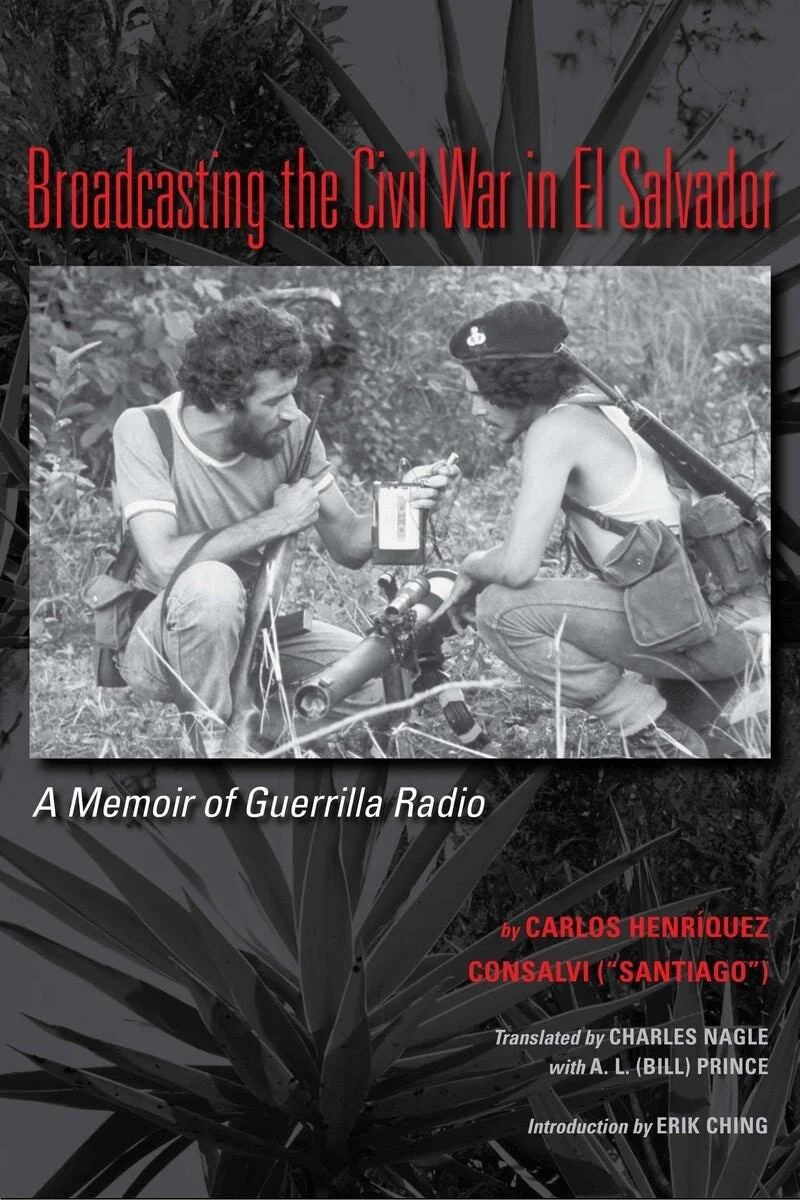
Broadcasting The Civil War in El Salvador / Santiago / 2010

Broadcasting The Civil War in El Salvador / Santiago / 2010

I started to read this in grad school, but like Miguel Marmol, I got distracted and finally returned to it this year. It’s an absolutely incredible memoir that recreates the lost diary of Santiago during the rise of Radio Venceremos. The diary was lost after a military attack, and Santiago was so distraught that his comrades agreed to help him reconstruct it. Narratively, the work is incredible, not only giving readers a glimpse of the drama of the war, battle after battle, but also tracking how the guerrilla nurtured their humanity, love, and joy throughout the process. The meat of the project is a 5/5. 
That said, I was surprised by epilogues that celebrate the end of the war, heralding it as a win, despite the less than ideal circumstances that prompted the new era of neoliberal democratization. This makes it seem like the guerrilla was fighting for democracy and not for social and economic justice. On one hand, I understand the need to present the peace accords as a viable pathway forward and the need to put aside the bitterness with your best foot forward. The FMLN didn’t have a pathway to win the war, so they had to bend to what they could achieve. It just reads poorly knowing all that was to come. 

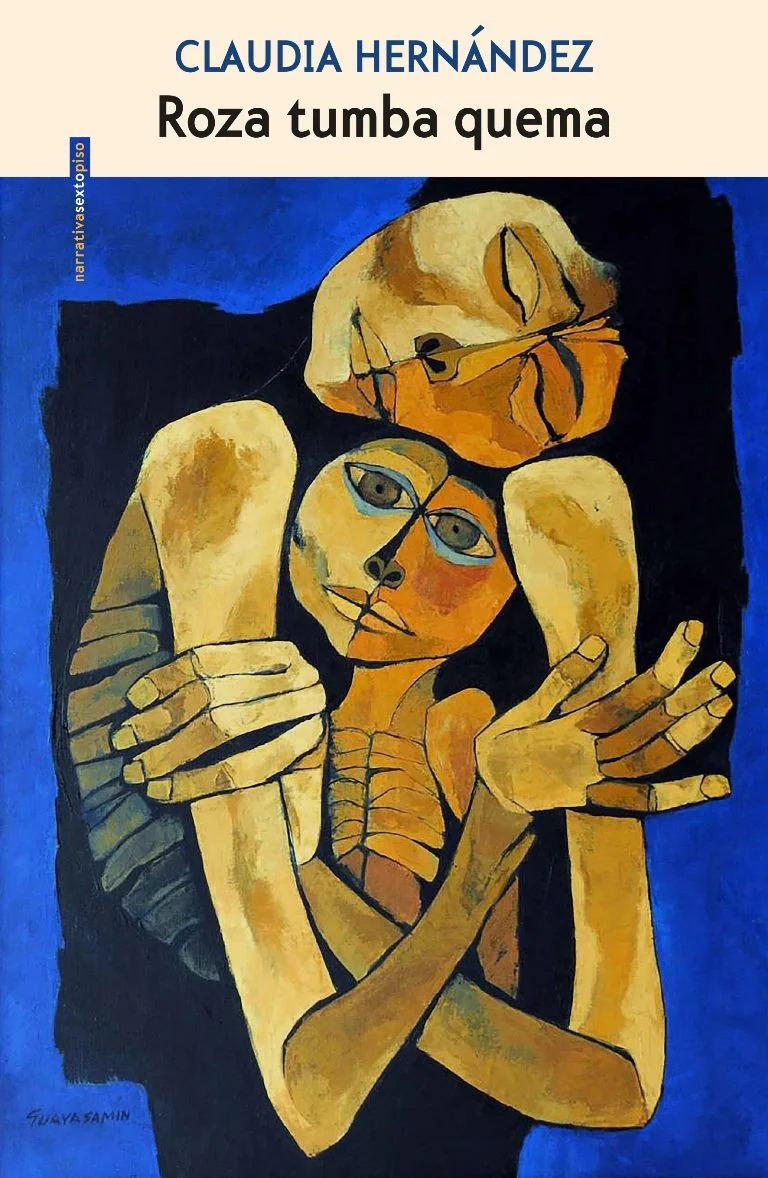
Roza tumba quema / Claudia Hernandez / 2018

Roza tumba quema / Claudia Hernandez / 2018

With Roza tumba quema and El Verbo J under her belt, Hernandez is perhaps the Salvadoran novelist who has best captured the pain and aftermath of the Salvadoran Civil War. Roza tumba quema follows a woman, criss-crossing through different eras of her life: as a guerrillera, as a mother fundraising for her daughter’s education, as a mother searching for her long lost daughter, and more. It is told in the dizzying narrative style of Hernandez which forces readers to reconstruct the context as she reads. I trust-fell into the style, sometimes losing track of who I was reading about when, but piecing it together, and the painful attention this takes, does something to the sentiment. Hernandez likes to leave readers unsteady, perhaps to avoid an easy sentimentalization, perhaps to give them a taste of the distress her characters face. In either case, it does little to hamper my sense of awe, gratitude, and desire to reflect over the lifetime Hernandez covers in this work. She writes the novels many others wished they were capable of writing with such finesse and grace. That is, novels that tell the story of an entire people, an era, with urgency and insights that resists simplistic readings of history. 5/5


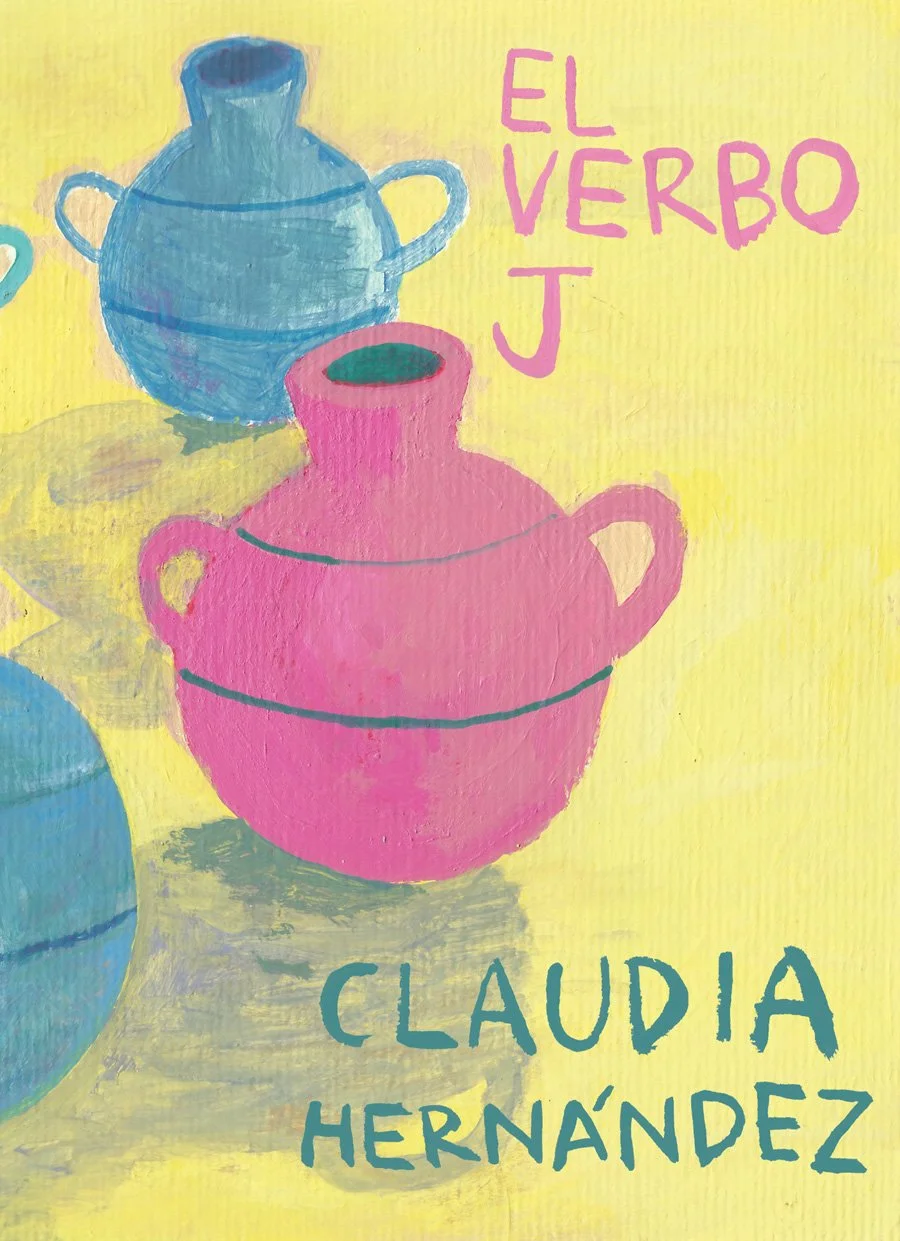
El Verbo J / Claudia Hernandez / 2018

Written in a breathless, breakneck speed, El Verbo J narrates the story of a trans woman during the wartime El Salvador. Once I realized what was happening in the book, I practically foresaw with terror and heartache the inevitable plotline: you get story of the boy bullied for his queerness, forced to hide and flee from el ejército, as well as the story of sex trafficking during migration and suffering the AIDS crisis in one body. The magnificent and shattering work of El Verbo J is to remind us that queer people existed during these times as well. While most wartime narratives are derived from the stories of masculinist guerrilleros a la Che Guevara and Roque Dalton or in self-sacrificing parents, El Verbo J zeroes in on queer stories submerged within the howls of others, whose stories dominated more historically. The story is told with a swift almost stream of thought narrative that whiplashes you, dropping you into scenarios without context only to unravel and explain later. Central American scholars talked up this book to me a lot before I got to it (via LibroFM :D) and it deserves all its praise and more. 5/5   


The Gravedigger’s Archeology / William Archila / 2015

The Gravedigger’s Archeology / William Archila / 2015

Another haunting collection by Archila, exploring exile and war through a bluesy voice. This time, Archila employs longer sentences, like a repeated splash of piano keys, that sometimes wash over the reader. It’s harder to pin down this violence, almost like the more one digs the less earth one is standing on. It’s a worthy follow-up to the Art of Exile and fans of that will likely have more to love. 4 out of 5. 

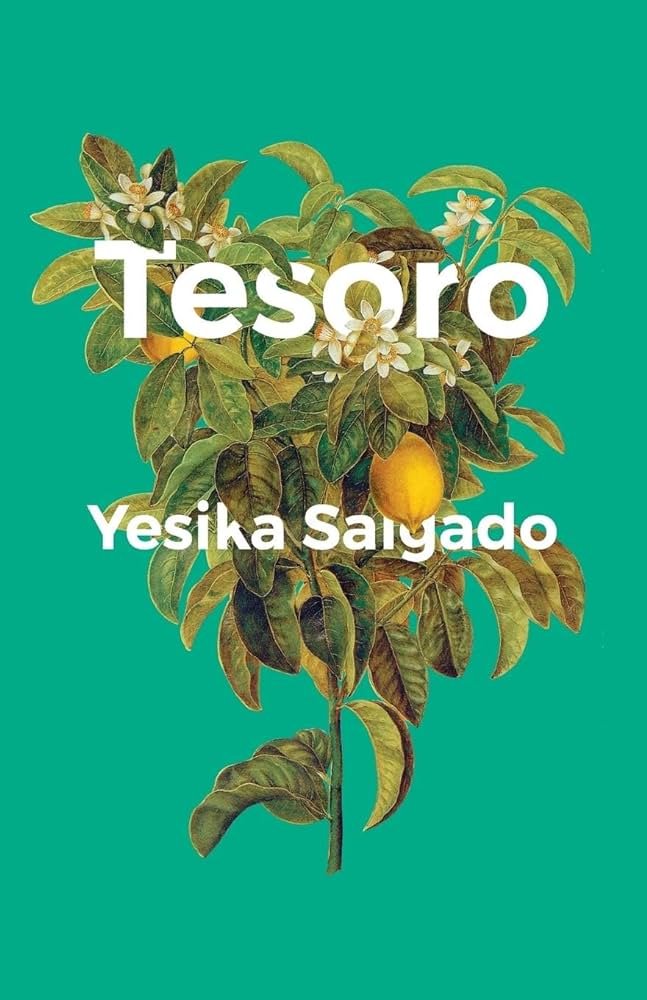
Tesoro / Yesika Salgado / 2018 

Tesoro / Yesika Salgado / 2018 
Here, Salgado gets tantalizingly close to evolving as a poet. Poems like “Nostalgia,” “Excuses,” and “In Our Family” probe Salgado’s Salvadoran heritage in a meaningful way, but the collection quickly gives way to Salgado’s most well-trod obsession: heartbreak. Here, the poems do not get more thoughtful or interrogative than her Instagram, which is fine. Reading Salgado feels to me like reading one of my single tia’s diaries, only in my family those tia’s are liable to squeeze my ass unexpectedly and sour a family party. I’m glad Salgado doesn’t do that.  Jokes aside, if I sound salty, it’s mostly because as arguably the most popular and wide-reaching Salvadoran poet with an enormous talent in performance and true gut-punching vulnerability, it would mean a lot to see Salgado move beyond her signature moves. Tesoro was supposed to do that. In the introduction, Salgado states that when she began writing Tesoro she wanted to write a bilingual collection where she gathered her family’s stories of survival. Instead, she inverted her gaze inward again, eschewing a tougher project to lick her own wounds again. For me, this is a 2 out of 5, despite some standout poems.

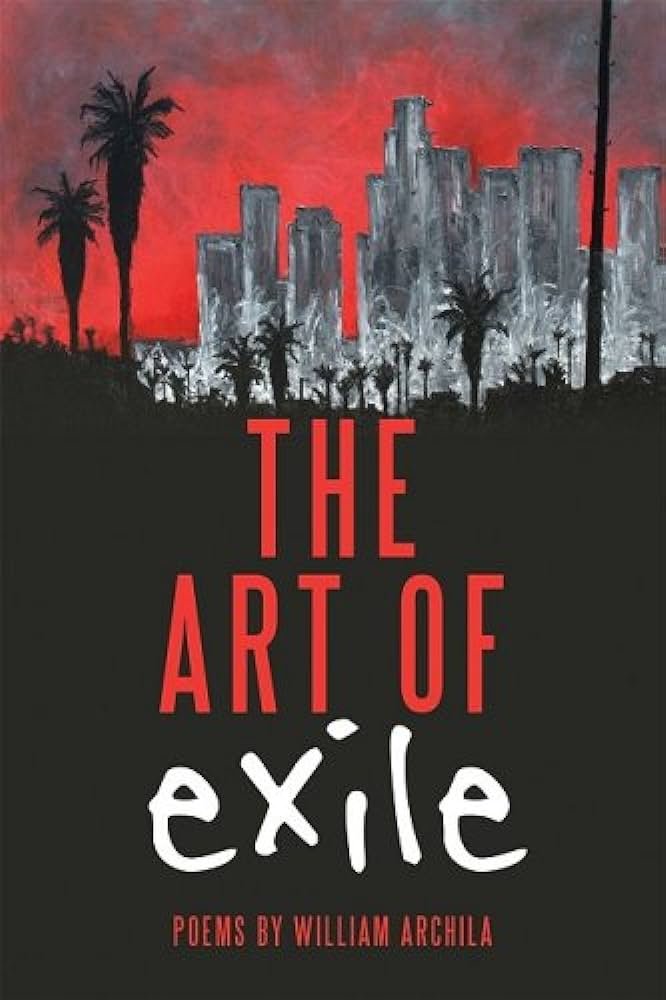
Art of Exile / William Archila / 2009

Art of Exile / William Archila / 2009

I’m so sad I slept on this gorgeous book for so many years. Archila narrates migration and warfare with a deceptively plainspoken style. Archila’s tenderness with his images and memories re-constitute the violence described in these poems. Rather than acts of terror reeking of gratuitous violence and voyeurism, Archila carves out a space of intimacy and privacy to breathe life into the dead and their survivors. This is not easy to do. It's hard to describe violence of this scale without rifling the reader with shock and agony. I don’t know what Archila did with his anger, but I wouldn’t say it’s a standout part of the collection. Here, Archila has performed the sacred alchemy of grieving. His bluesy style and step make the moments bearable while still feeling the sob of its sorrow. If you’re a fan of Komunyakaa and Dalton, look no further than Archila.

4.5/5 

Poets and Prophets of the Resistance: Intellectuals and the Origins of the Salvadoran Civil War / Joaquín M. Chavez / 2017

Poets and Prophets of the Resistance: Intellectuals and the Origins of the Salvadoran Civil War / Joaquín M. Chavez / 2017

This book is everything I wanted and more. It unbraids the tangle of historical movements fighting for justice in El Salvador during its revolutionary era, providing clarity where led savvy and untrained political thinkers only see chaos. It draws out the history of university militants, liberation theologians and their flocks, campesino organizers, and more in their respective and crossing paths for change, be it through electoral politics, armed resistance, or otherwise. The conversations and tensions between these groups is illuminating, especially since most history paints the Salvadoran conflict as a Cold War battle with US and Israel supporting the dictatorship and Cuba and Russia supporting the FMLN. The recovery of the different ideologies at play in the resistance is key to a deeper understanding of how we got to where we are now and how we can try to do better. It was illuminating for example to learn of Che Guevara's dismissal of revolutionary possibility in El Salvador, in part because the country lacks enough mountains for guerillas to retreat in, and how leftist militias built broader based coalitions to sustain the revolution, adapting Vietnamese and Maoist strategies. It was illuminating to learn of the debates surrounding Roque Dalton's death, where militarized and dogmatic rooted peasant revolutionaries bristled against the influence of cosmopolitan petit bourgeoisie they felt was attempting to hijack the revolution because they did not want a Cuban and Soviet revolution, but a Salvadoran one. This book holds the pain, paranoia, and horrors of people who literally sacrificed everything in an attempt to forge a brighter future for El Salvador. I'm immensely grateful to Chavez for his work. Alongside Unforgetting by Lovato, this book is key to understanding El Salvador and especially illuminated my understanding of the political forces at play. There's plenty of people and areas of research I will continue to research where Chavez has pointed me. 5/5