Viewing entries tagged
Spoken Word

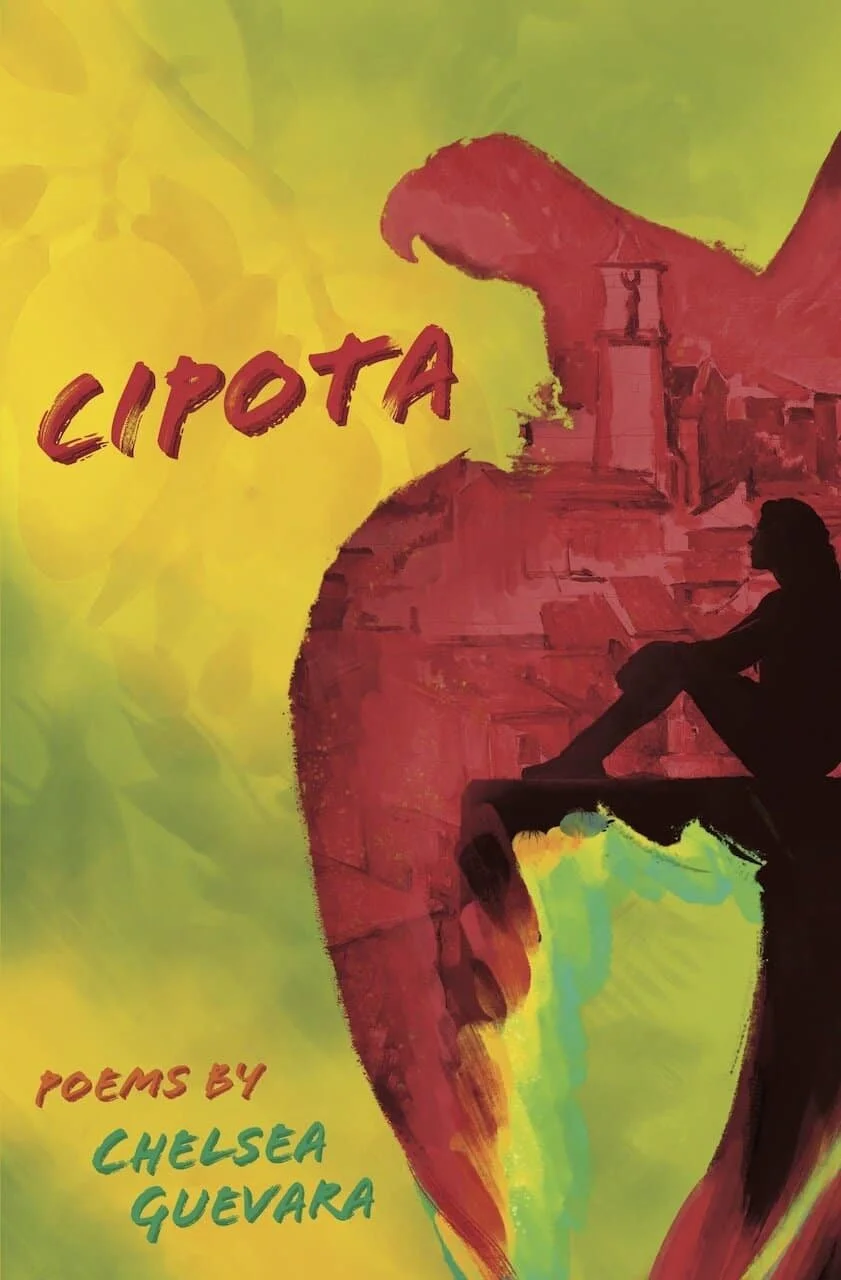
Cipota / Chelsea Guevara / 2025

Cipota / Chelsea Guevara / 2025
There is an undeniable verve in this collection, which is a coming-of-age story of a young Central American woman as she tries to recuperate her identity as a Salvadoran and recover from the losses brought about by migration, war, and perhaps most personally for the author, divorce. Guevara successfully articulates her ethic and hopes in a passionate, poignant lyric that will break your diasporic heart. The collection is young, but it’s named Cipota for a reason. I love it for the ways it reminds me of the most beautiful younger versions of myself, of many of my Central American peers.
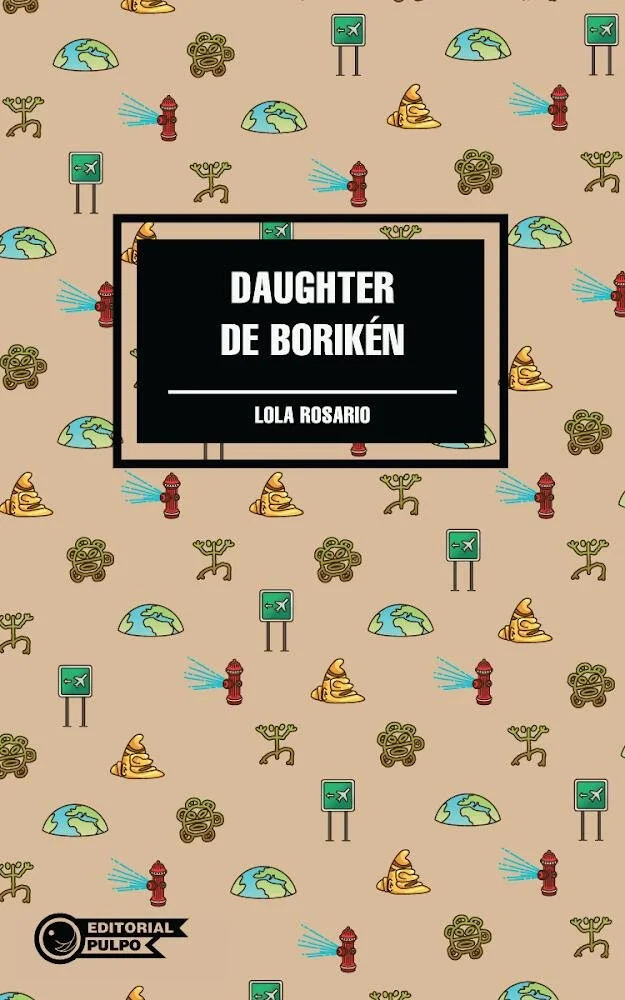
Daughter de Boriken / Lola Rosario / 2024 

Daughter de Boriken / Lola Rosario / 2024 

In Daughter de Boriken, Rosario bounces between nationalist pride and identity struggles. Hailing from Nueva Yol, she does her mandatory nods to the Nuyorican and low-income living. She rather pointedly rejects the Nuyorican identity for herself in “When I was Nuyorican,” a confusing move. In the following poem “Boricua Soy,” she doubles down, even when facing the criticism of a Boricua elder who insists she’ll never be Boricua. These tensions reflect commonplace struggles in identity development, and elsewhere she celebrates and laments her tongue, takes joy in la isla and the food, as expected of diaspora lit. One surprising feature is the author’s wealth. Apparently, she has the money to travel all over the world before realizing she needed to settle in Boricua in her 50s. The spoken word here is sensuous and playful, but a greater aesthetic or political vision would help ground the writing.

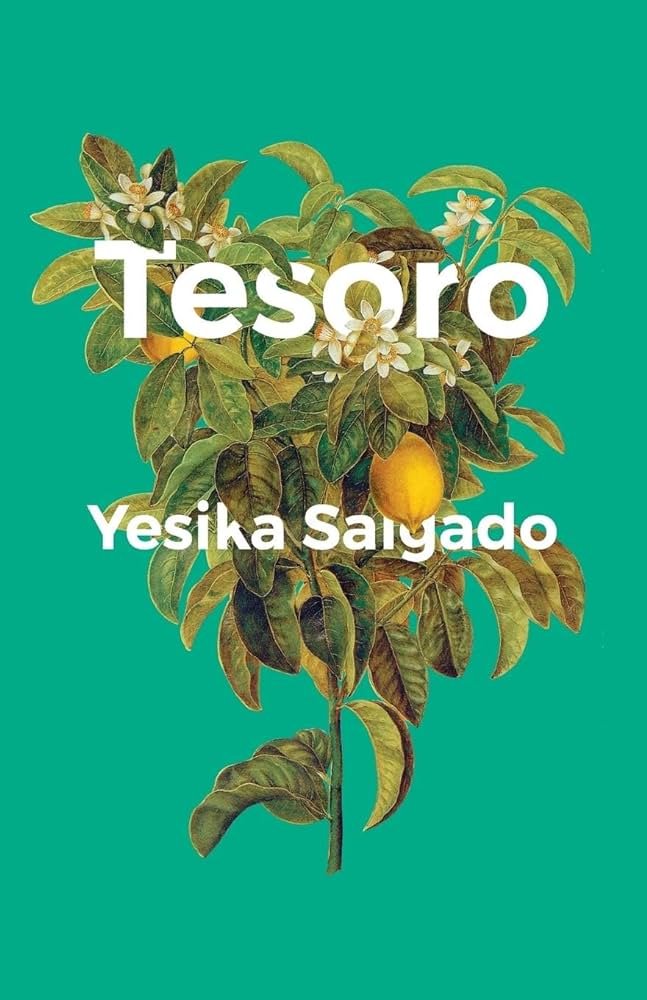
Tesoro / Yesika Salgado / 2018 

Tesoro / Yesika Salgado / 2018 
Here, Salgado gets tantalizingly close to evolving as a poet. Poems like “Nostalgia,” “Excuses,” and “In Our Family” probe Salgado’s Salvadoran heritage in a meaningful way, but the collection quickly gives way to Salgado’s most well-trod obsession: heartbreak. Here, the poems do not get more thoughtful or interrogative than her Instagram, which is fine. Reading Salgado feels to me like reading one of my single tia’s diaries, only in my family those tia’s are liable to squeeze my ass unexpectedly and sour a family party. I’m glad Salgado doesn’t do that.  Jokes aside, if I sound salty, it’s mostly because as arguably the most popular and wide-reaching Salvadoran poet with an enormous talent in performance and true gut-punching vulnerability, it would mean a lot to see Salgado move beyond her signature moves. Tesoro was supposed to do that. In the introduction, Salgado states that when she began writing Tesoro she wanted to write a bilingual collection where she gathered her family’s stories of survival. Instead, she inverted her gaze inward again, eschewing a tougher project to lick her own wounds again. For me, this is a 2 out of 5, despite some standout poems.