Viewing entries tagged
Filipinx

Activist Study: Araling Aktibista / 2020 / Mao and the Communist Party of the Philippines
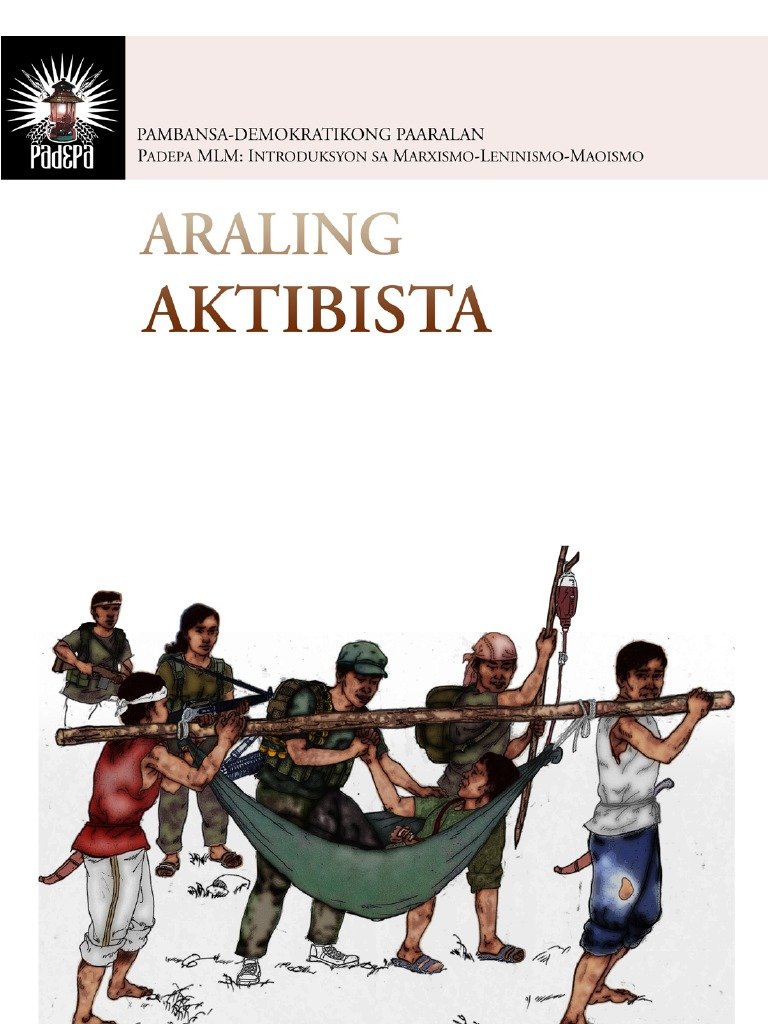
Activist Study: Araling Aktibista / 2020 / Mao and the Communist Party of the Philippines

Araling Aktibista is a collection of writings by Mao and  the Communist Party of the Philippines meant to educate incoming members of the communist party. This book was introduced to me by an organizing friend passionate about its principles. I found the essay “On Liberalism” to be most instructive, as it is largely about speaking up about differences in meetings, rather than gossiping and moving in the interests of the collective, rather than behaving selfishly. Other aspects of this book I found much less productive and even frightful. There’s a section that discusses ingraining a class hatred into comrades so it becomes easier for them to commit violence against the bourgeoisie. Even if revolutionary violence is necessary, this seems like a dangerous position to advocate. Other times they advocate for top-down leadership models that enforce obedience by the lower levels of the organization in the name of “collectivism” as opposed to “personal interests.” While I agree in general that at some point the collective needs to bow before a decision, I would much rather decisions be made in a model more reflective of the processes Friere describes in Pedagogy of the Oppressed than the rigid paternalistic way they appear in this book. I also want to acknowledge that the top-down leadership may very well be necessary for survival during wartime and that the Filipino communist party does have a guerrilla arm that has been struggling against the government there. The more militant organizing strategies, however, do not seem relevant to the work of most organizers in the US, at least the ones I work with, that really need to figure out how to do mass organizing in today’s media and class landscape. 3/5
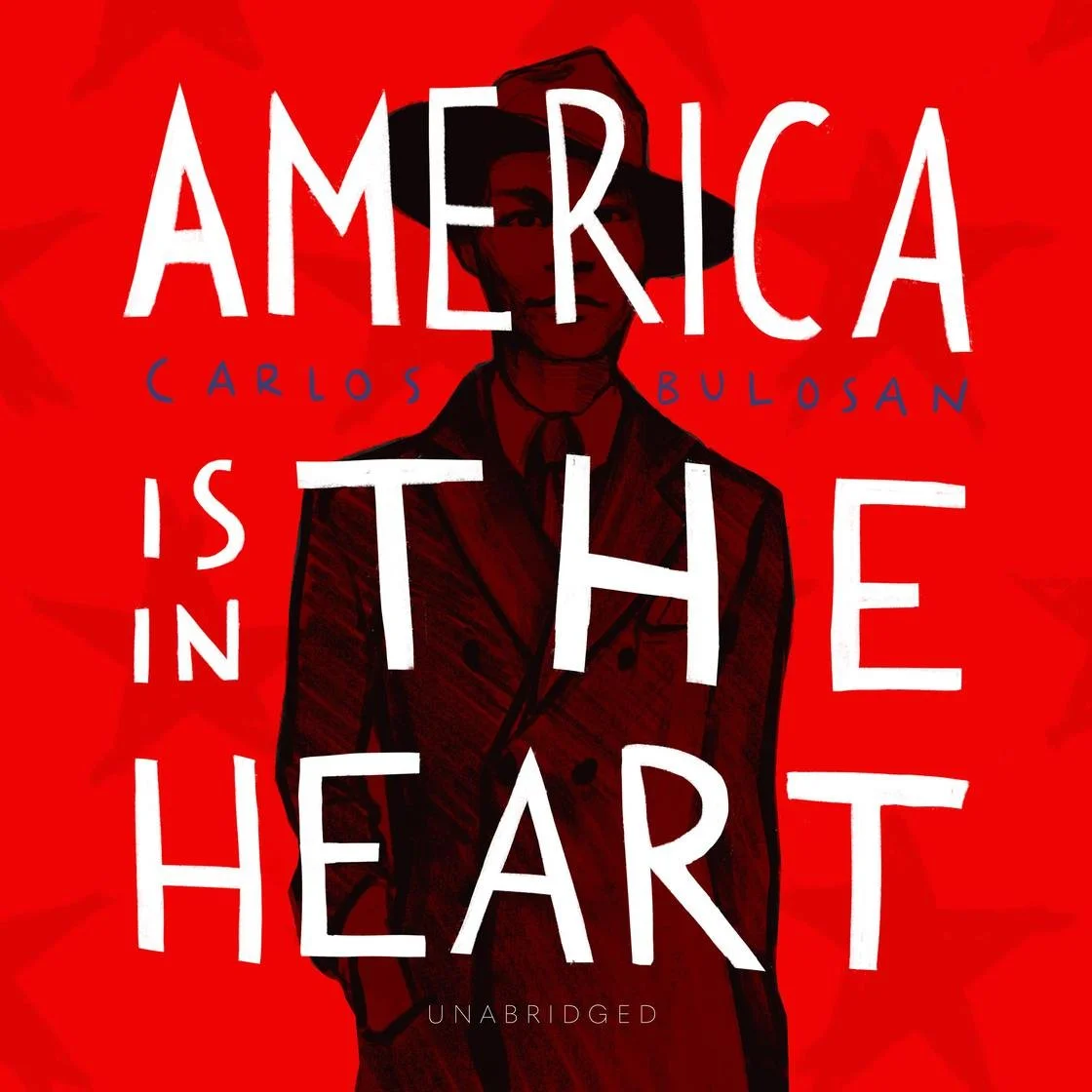
America is in the Heart / Carlos Bulosan / 1943

America is in the Heart / Carlos Bulosan / 1943

Written at breakneck speed, Bulosan narrates his life of poverty in the Philippines, his migration to the US, and his life of poverty and discrimination throughout the West. The narrator writes as if being chased in a way that reminds me Stephen Crane or Charles Dickens’ realism, except that in Bulosan this realism doesn’t feel voyeuristic. It’s actually lived and vomited from his gut. The voice reads not like a sensationalist journalist account of poverty, but of an aspiring young author who hasn’t found distance from his own pain because he never had stability to fully process. Even so, what Bulosan manages to capture with softness and tenderness is incredible. The amount of violence and cruelty intrinsic to Asian and immigrant life in this time period are crushing to read, whether Bulosan in narrating the misogynistic marital rituals of his hometown or describing racial terror he sometimes failed to flee with his comrades. 

America is in the Heart also narrates one generation’s communist dreams and it was insightful to hear how consciousness grew in Bulosan and the ways it was subsequently crushed by state actors. Throughout the years, I’ve realized that so much of the canon of color’s literary tradition is left-wing in a way that isn’t talked about in academia and unknown in many radical literary spaces. I prize this communist literature, including Bulosan, as part of a tradition that has been repressed in the US, as part of a tradition that I identify with. 

America is in the Heart ends with a romantic love letter to America. Bulosan, for some reason, could never abandon its promise. It read to me as Stockholm Syndrome, as a Sunken Costs fallacy, but I imagine that fans of the American Dream will find a flag to wave in its closing paragraphs. The closing paragraphs. hits the same ache as “My Man” by Billie Holiday for me. I mourn Bulosan’s tragic and stupid love for a country that will never love him back. I wish him a better dream. 4.8/5